
Rehearsals for Gianni Schicchi Are Under Way
Puccini’s comedy in preparation for 26–27 September
A rich man dies and leaves everything to a monastery; his family has other ideas. Sixteen roles, sung in English, at the KE Auditorium on 26 and 27 September.
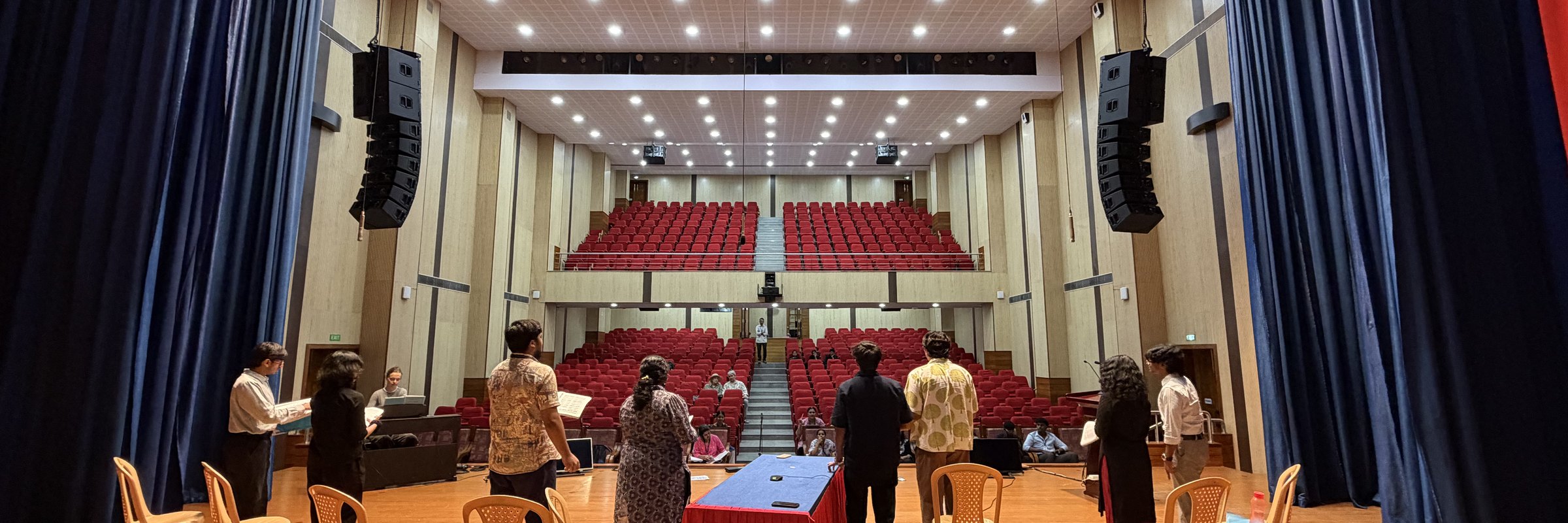
Puccini’s Gianni Schicchi meets its first audience on 26 September. The Department of Western Music is staging the one-act comedy at Central Campus with a cast of students and faculty; it is sung in English and runs about an hour. Performances are on and at the St Kuriakose Elias Auditorium.
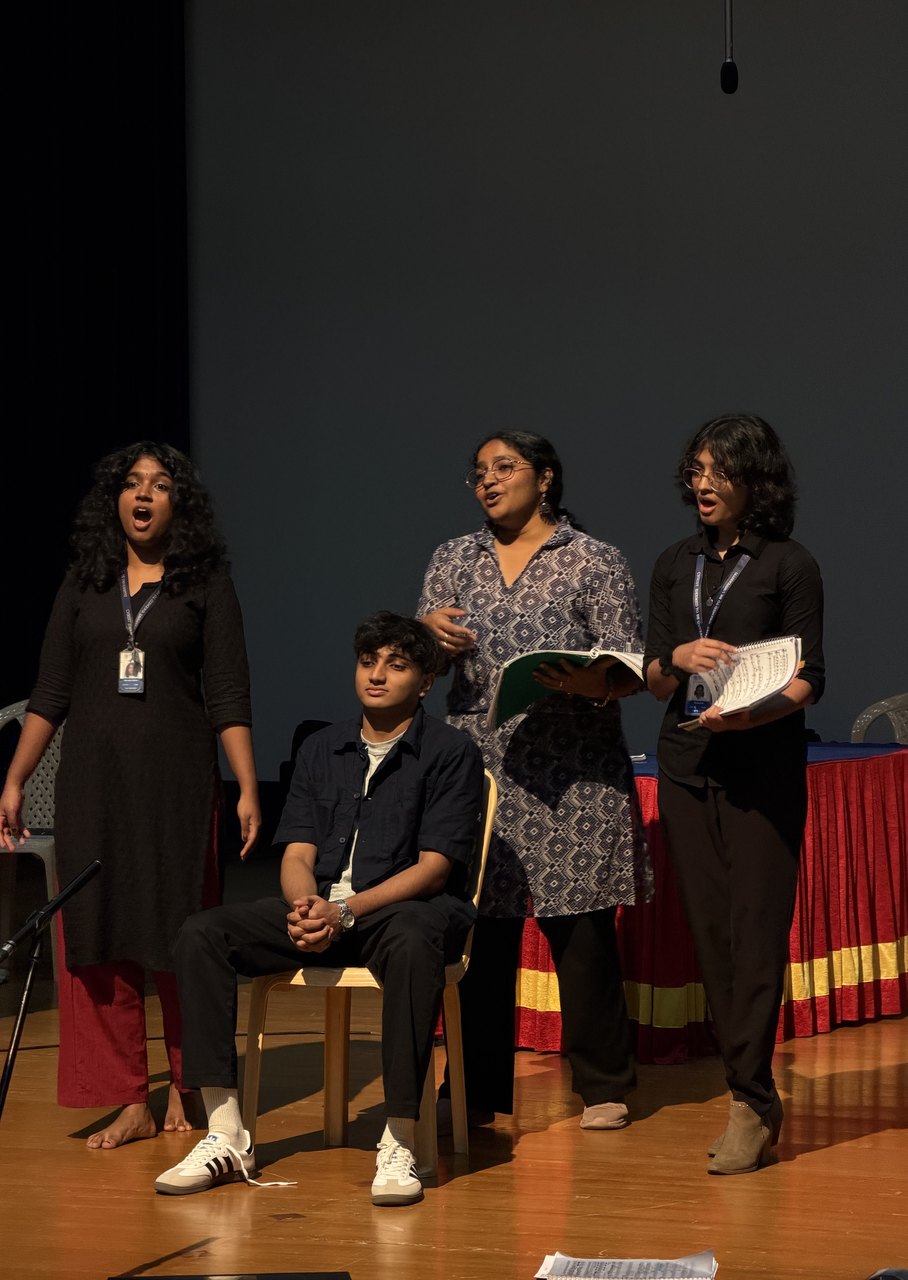
None of this started recently. Work on the opera began in the last academic year, and the cast were singing the piece long before anyone was asked to move: the first stretch went on the music alone, on entries and on ensembles where five or six people sing different things at once and every line still has to reach the room. This is an opera before it is a play. Staging is what happens once the difficult part is already in the body.
The first stretch went on the music alone.
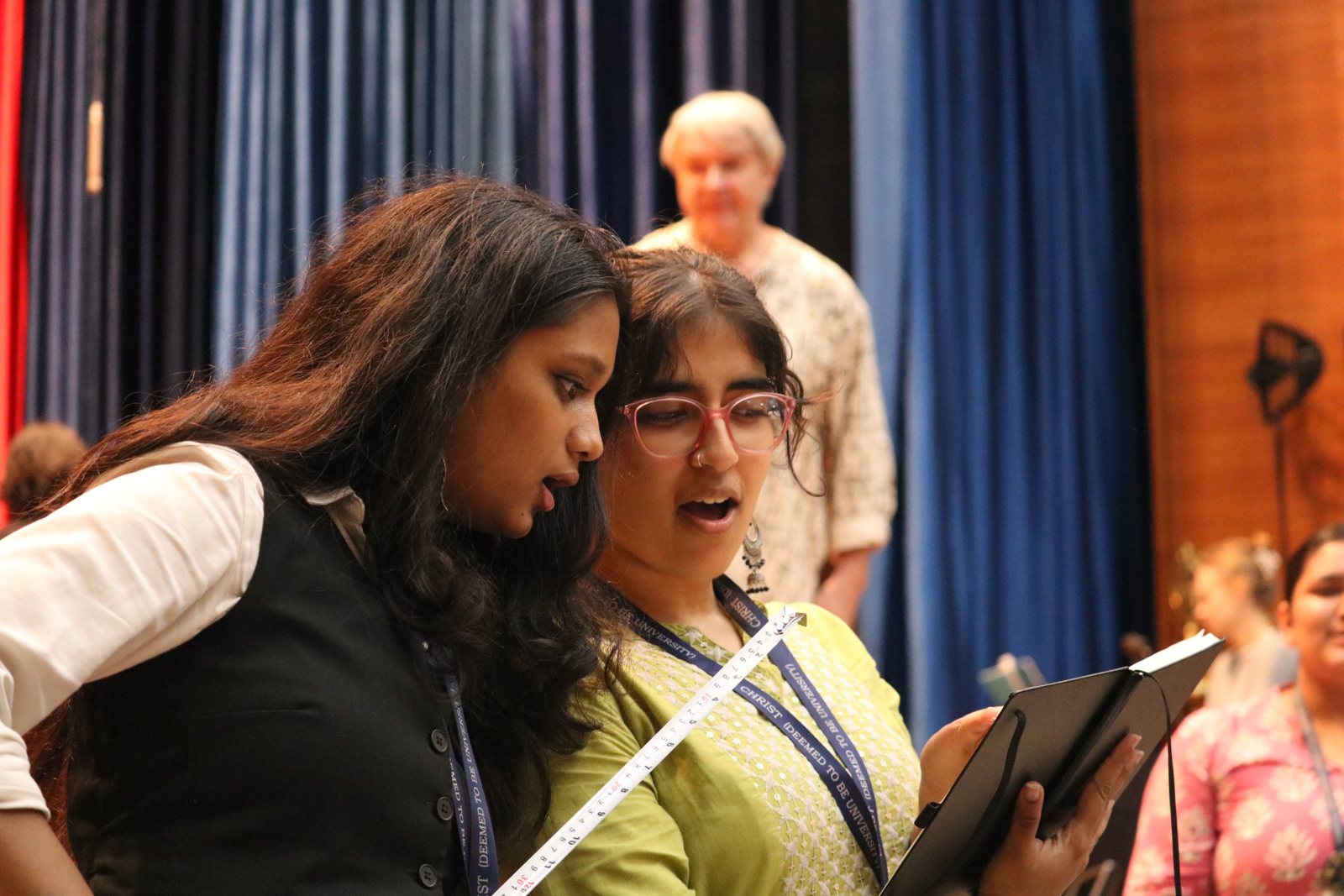
Most of the work now is character work. Puccini fills the stage with relatives whose grief is very short and whose interest in the dead man’s will is not, and every one of them wants the same thing. No two of them go after it the same way. They differ in age, in money, in standing inside the family and in how much of their own greed they are willing to look at, so the question in a scene is rarely what a character wants. It is what this particular person does when they do not get it. That gets built out of the singer rather than laid on top of them: the temperament already in the room is the raw material, and the character is the most logical version of that temperament under pressure. For most of the cast it is the first time anyone has asked.
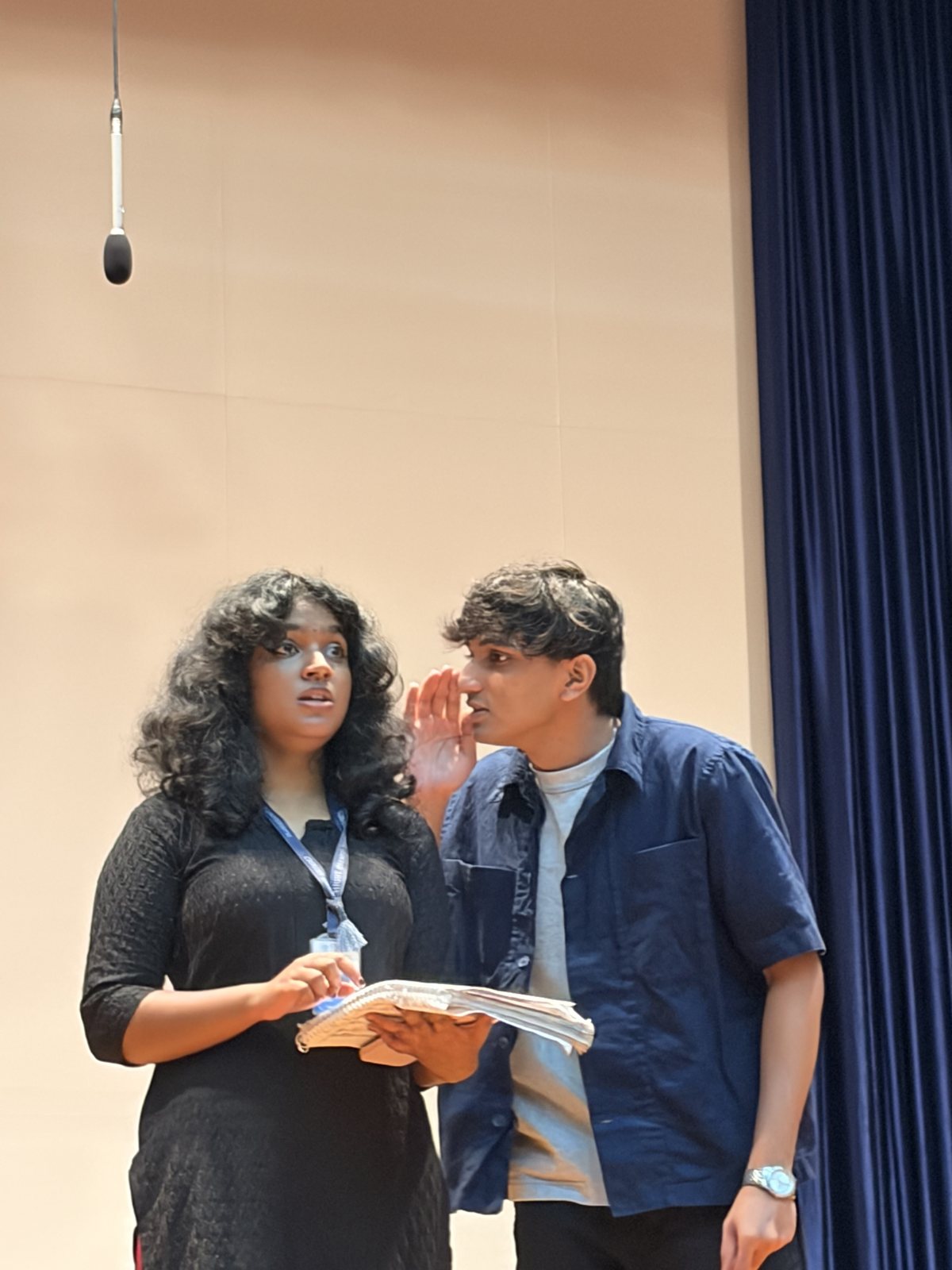
Deciding who this person is before deciding how they move.
A good deal of it is found rather than decided. A run goes off the plan, someone tries something nobody wrote down, and a facet of the character appears that then has to be kept, described and made repeatable. Objects do much of this work. A wheelchair, a cigar, a suitcase that never leaves one relative’s hand: give a person something to hold and they find out who they are holding it as.
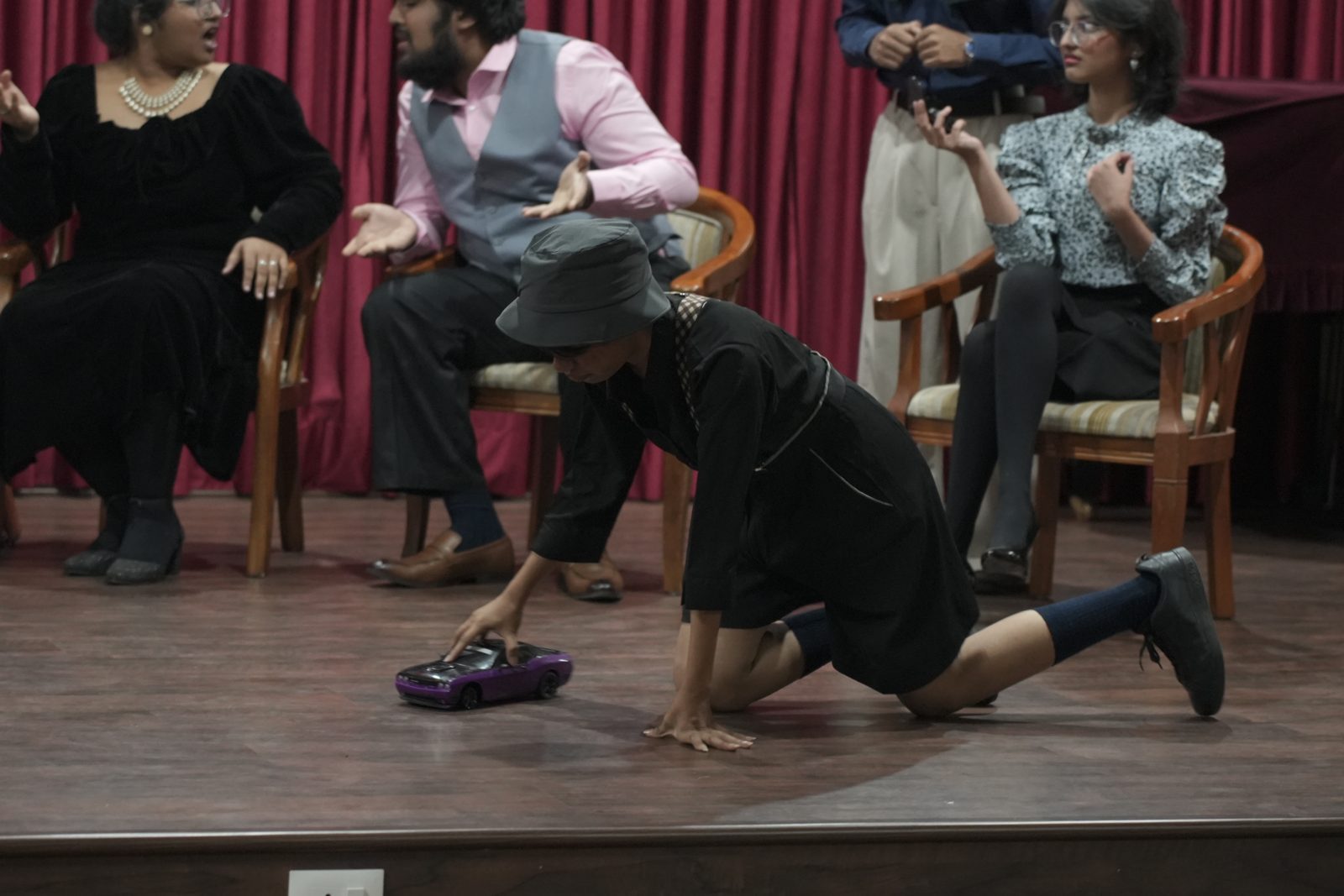
Give a person something to hold and they find out who they are holding it as.
Then there is the half of the job the audience is never meant to notice. Sixteen roles, and for most of the opera almost all of them on stage at once, which means every entrance, every crossing and every piece of stage business has to land on a particular beat, and the music does not wait for anyone who is late. A singer has to sing accurately, move accurately and arrive in the right place at the right time, while everyone else is doing the same. That coordination is slow to build and quick to lose. It is rebuilt at every rehearsal.
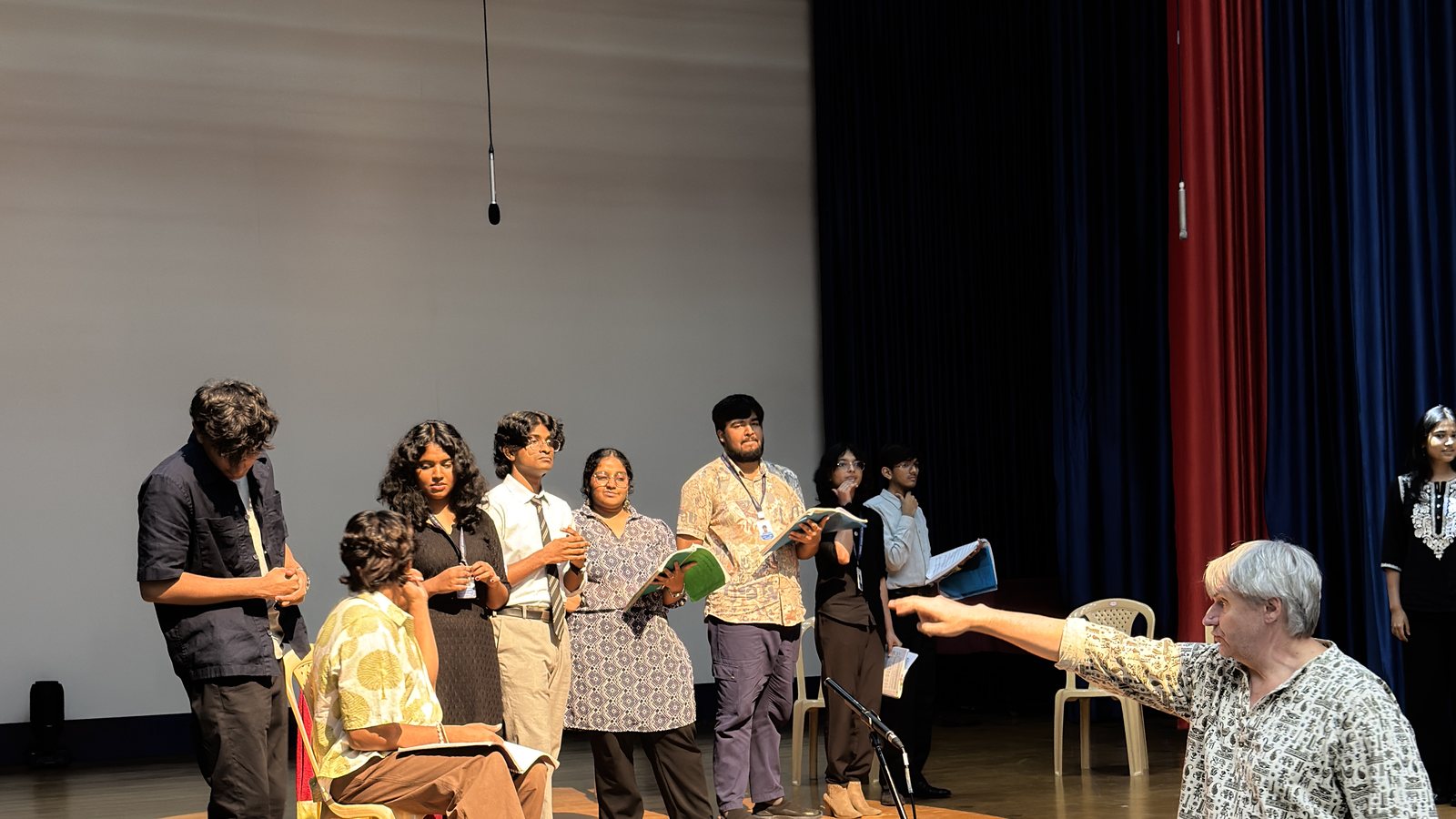
Everyone on the same beat, or nobody is.
And the singers are not the company. Behind them are props and costumes, sets, make-up, media and marketing, and the accounts that make all of it possible — most of them students as well, running departments rather than doing favours. Theirs is the work an audience is least likely to name and quickest to notice when it is missing.
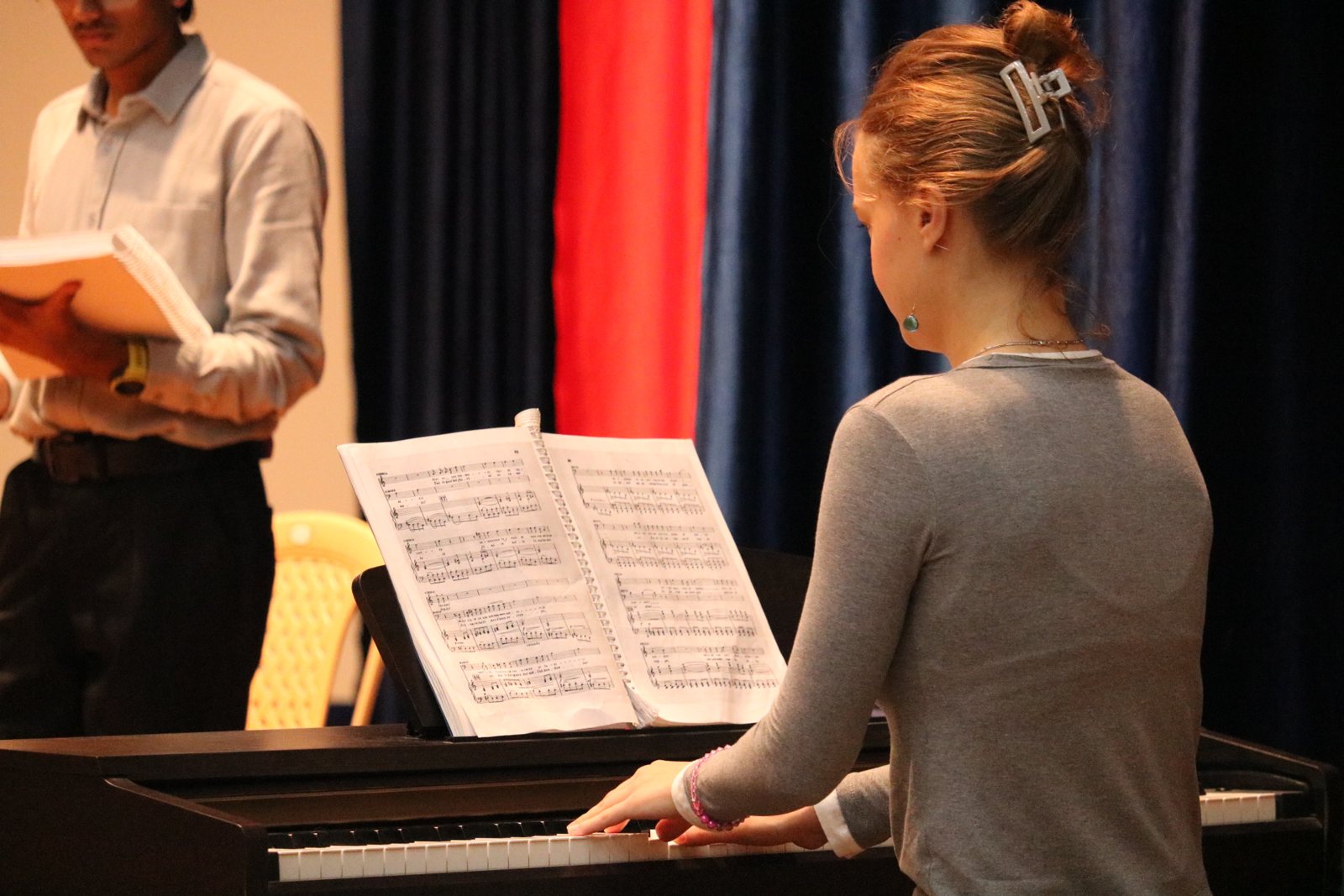
Not everyone in the room is singing.
The rehearsals are long and they are not getting shorter. The cast want to be there. The run that finally holds together is worth the three that came apart before it.
A great deal is still to be made, and the date does not move.
This is the first of a series from the rehearsal room. The next reports will be about the people in it, one at a time, and the characters they are building. The Journal has already published an introduction to the opera and an account of how Puccini’s orchestra was brought into our rehearsal room.
Book tickets · 26–27 September
Nothing on stage in September will look like work. That is the work.
Written by
More in Behind the Scenes
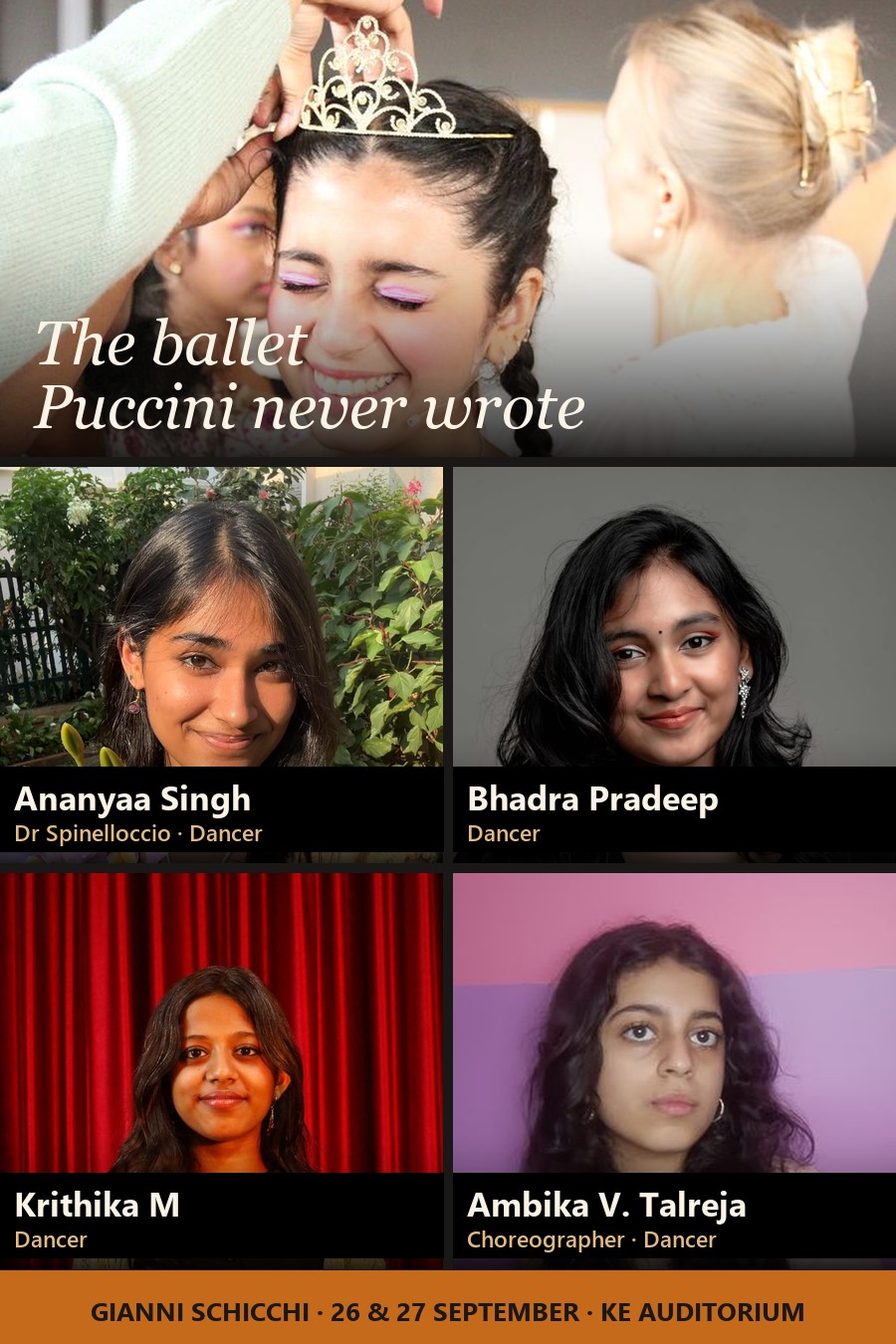
The Ballet Puccini Never Wrote
Why our Gianni Schicchi has dancers Puccini never scored, why we sing it in English, and what a comedy with a dead man in the middle asks of the stage.

Gianni Schicchi at CHRIST University: Six Voices Meet Opera for the First Time
Six of our singers meet opera for the first time in Gianni Schicchi - an old man in a wheelchair, a graduate who came back to sing, and two young performers who have to make an audience believe in love while the plot is being rewritten around them.

Backstage 02: Natalla Marozava, vocal coach
Vocal coach Natalla Marozava on choosing an opera to fit the voices you have, teaching by ear, and why Puccini's comedy is sung in English.
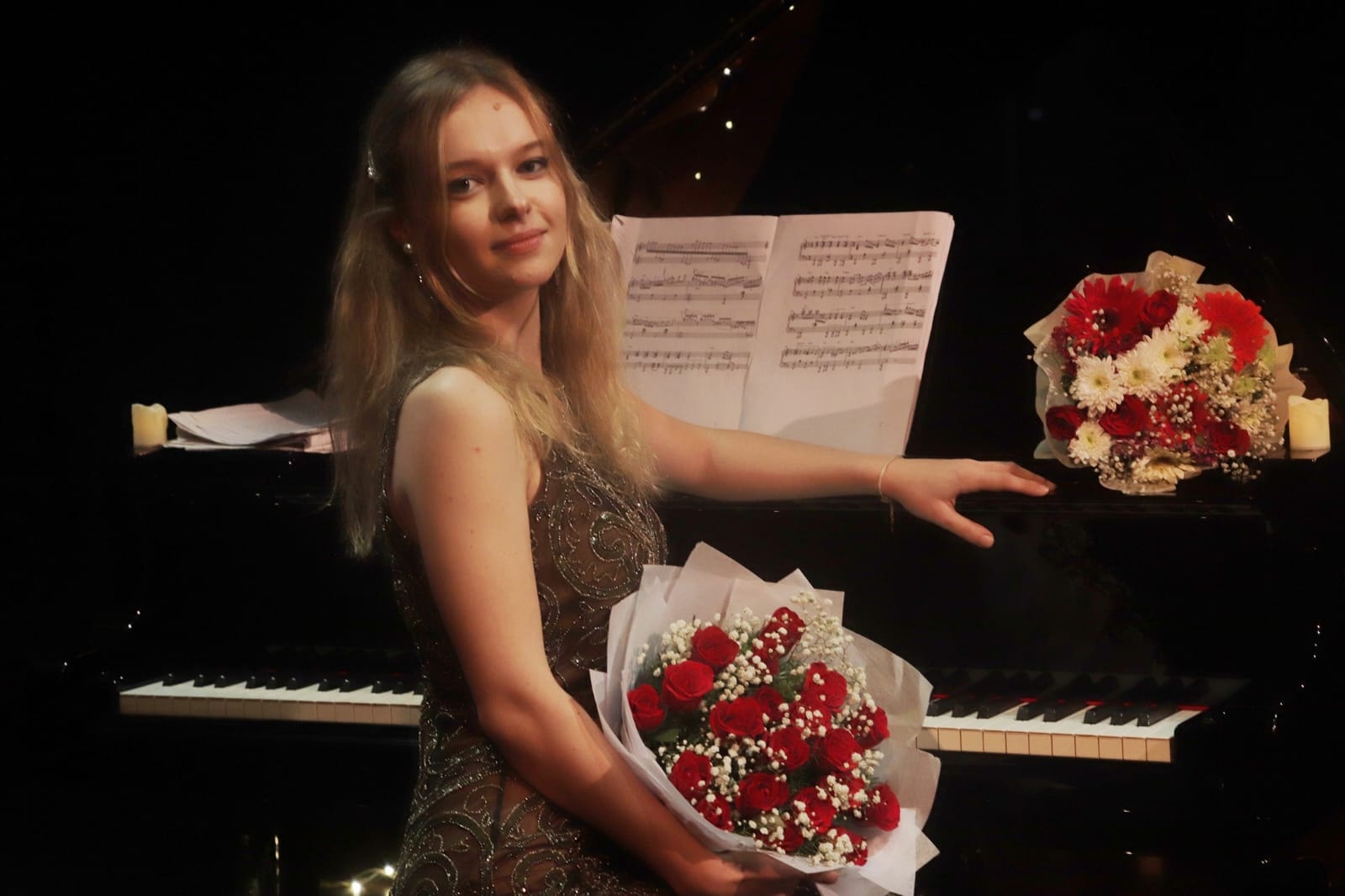
Backstage 01: Anastasiya Yafimava, répétiteur
At the piano with répétiteur Anastasiya Yafimava — conducting with her eyes and making one piano sound like Puccini's orchestra.