
Backstage 01: Anastasiya Yafimava, répétiteur
Backstage series · 01 · Anastasiya Yafimava, répétiteur
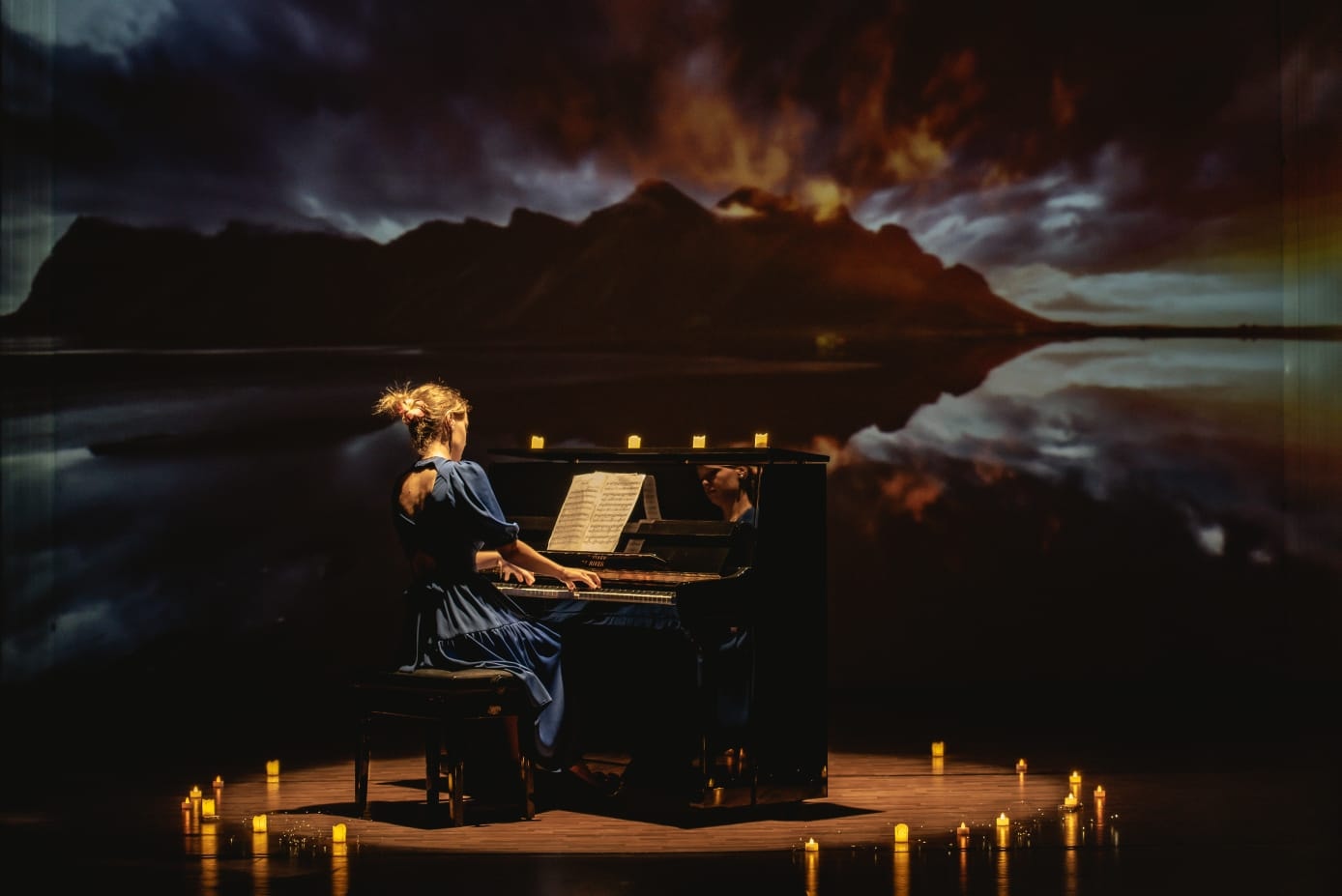
At the piano with répétiteur Anastasiya Yafimava — conducting with her eyes and making one piano sound like Puccini's orchestra.
At an opera rehearsal the piano stands in for the whole orchestra. In the KE Auditorium it sits below the stage: the score open, pencil marks in the margins, a singer leaning over the pianist’s shoulder to check an entry. In the opening letter of this series we promised to begin not with the title role and not with the director, but with someone you will never see on 26 and 27 September — and will hear all evening.
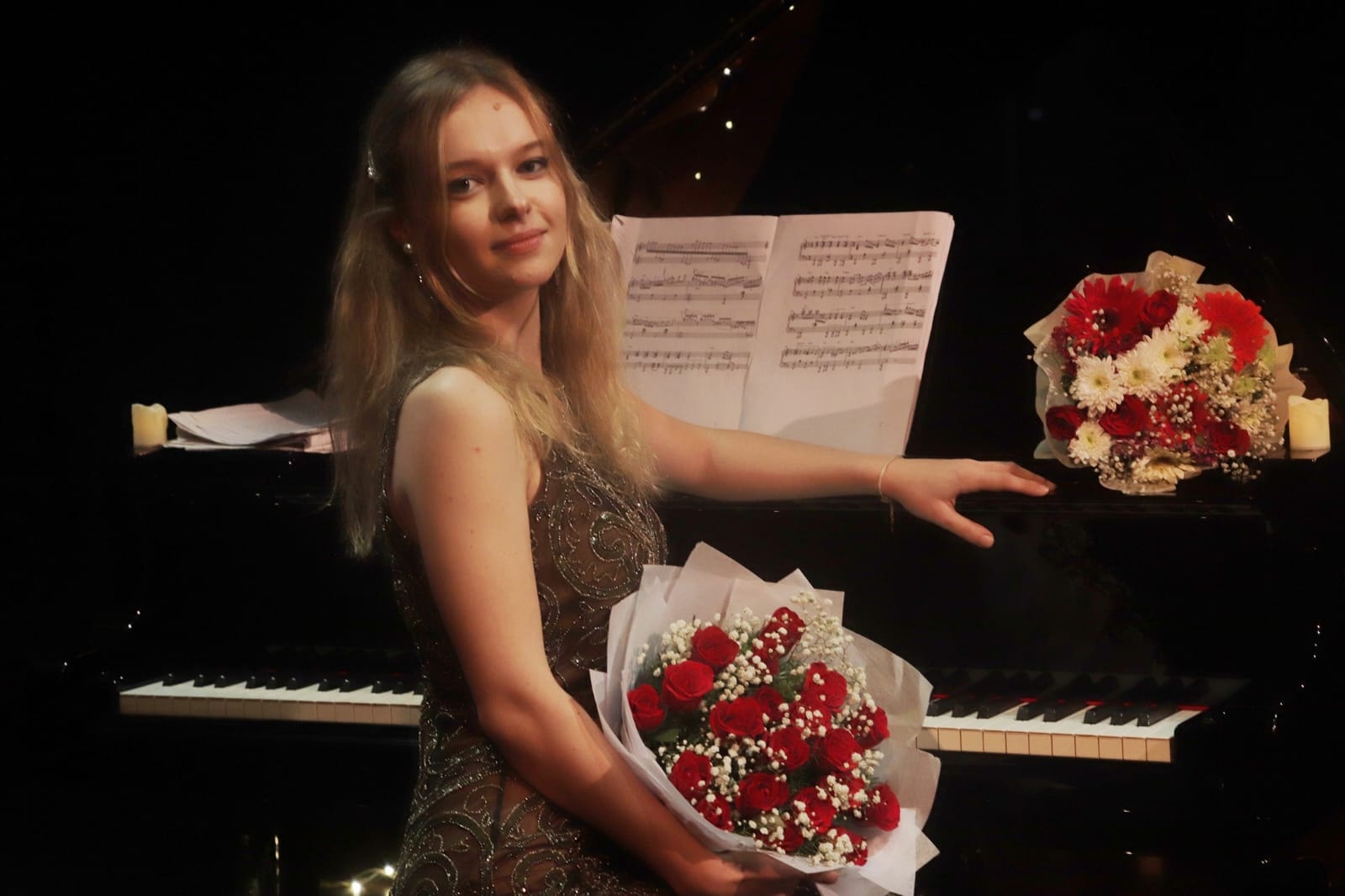
In the CHRIST University production of Gianni Schicchi, that work belongs to Anastasiya Yafimava — pianist and répétiteur, a graduate of the Gnessin Russian Academy of Music, where she completed her master’s degree, and now a member of the university’s staff. Her biography and performances live on her Artist Profile. What matters here is what happens at the piano while Puccini is being assembled, voice by voice. This is her account of the work.
Tickets for 26 & 27 September →
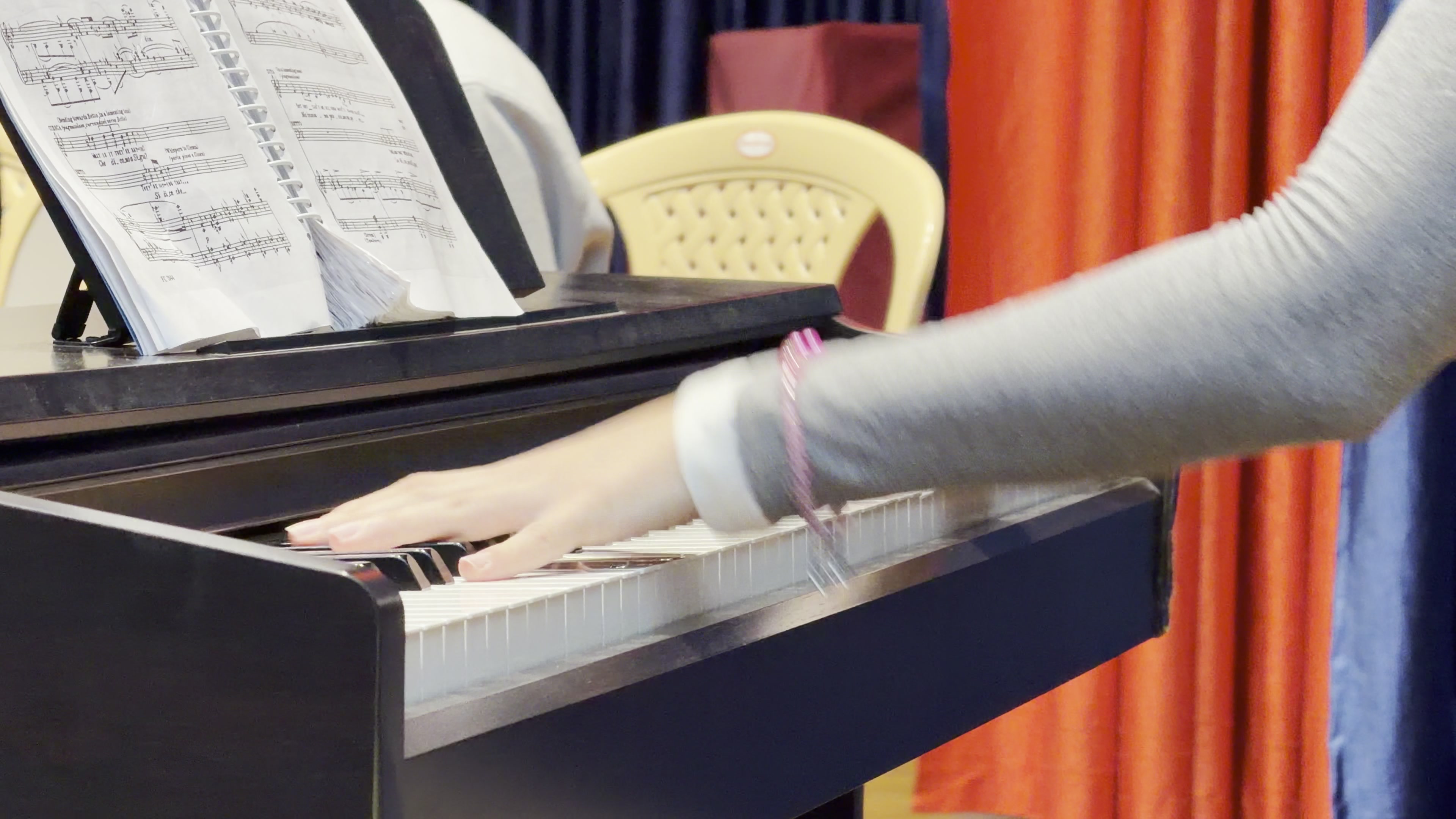
In Gianni Schicchi the music is wholly bound to spoken language — parlando — and to fast comic action. One musical event grows into another, and the characters stay inside a conversation that rarely comes to rest. So the répétiteur has to know far more than the notes: she has to know every character’s words. Understanding the exact sense of each phrase tells her where a singer will need to breathe — so she can take the breath with them and shape the phrase naturally. The character of the English word dictates the articulation of the piano itself: the bustling of Buoso Donati’s relatives demands that the players’ speech accents and her keyboard touch land exactly together.
The work runs in two strict stages. First, each part is learned one to one — and Puccini is treacherous here: behind the apparent simplicity of the melodies, as in Lauretta’s famous O mio babbino caro, hide awkward rhythmic transitions and constant changes of tempo. Then come the ensembles — the trios, the quartets, the scenes for nine squabbling relatives: polyphonic knots in which every character bends their own line.
“My job in the ensembles is to be the cement that holds these separate young voices together — to help them hear one another, and to join their parts into a single structure.”
At the piano she is also the conductor. Puccini’s style demands enormous freedom of tempo — rubato — and young singers, carried away by the acting, easily lose their rhythmic footing. Eye contact becomes the main instrument of control.
“My eyes always have to be ahead of the action on stage.”
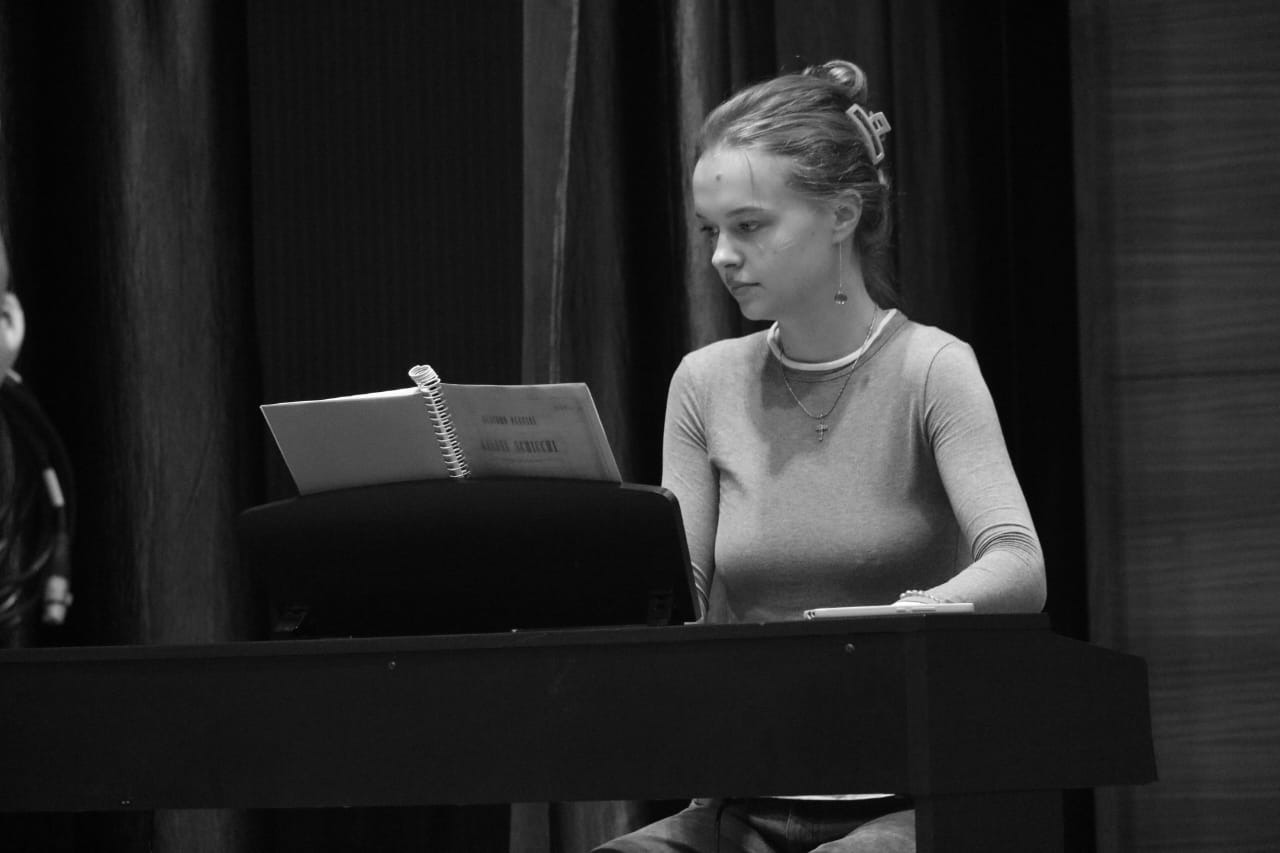
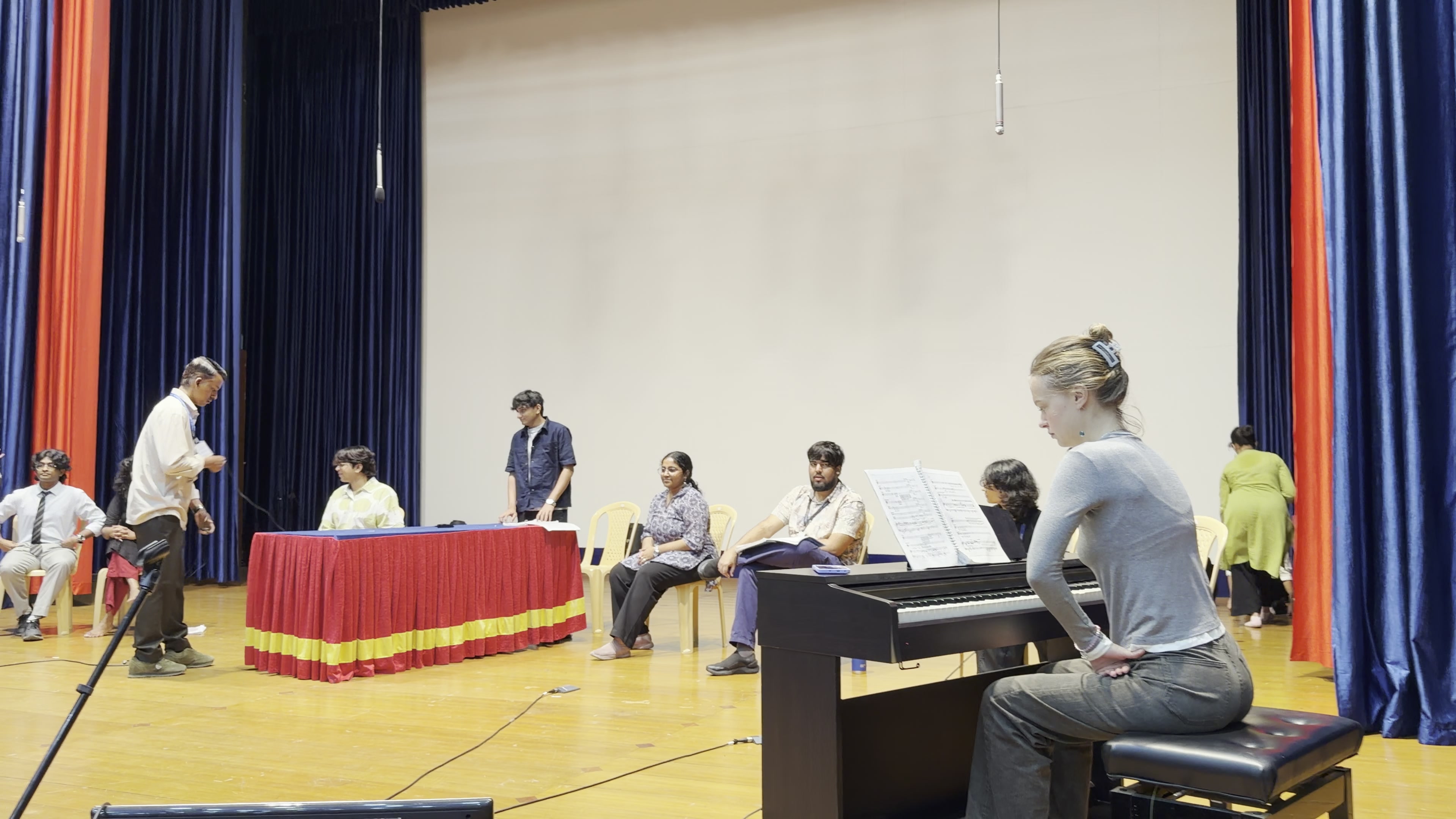
Gianni Schicchi is written for a huge, colourful orchestra, and carrying that score onto one piano is a colouristic problem she solves at every rehearsal, playing and orchestrating in her head at once. In the lyric scenes of Rinuccio and Lauretta she looks for a soft, warm sound that imitates Puccini’s strings — legato, deep into the key. In the moments of fury and comic squabbling, when Schicchi drives the relatives out of the house, she makes the piano sound dry and sharp, after the woodwind and pizzicato strings. The full-orchestra episodes demand density and volume without mud — the weight and shine of the brass.
“The piano must not sound flat. It has to sound like an orchestra.”
For the students this is nothing like an ordinary lesson: an aria that can be learned and performed as a self-contained piece turns out, inside the complete opera, to be one small part of a much larger construction — and the work refuses to stay inside the class hours the timetable allows. There are extra vocal rehearsals, ensemble calls, staging sessions and evenings at the piano. One hour of performance takes far more than one hour of work.
Now the work has one more participant: the audience. Tickets for the September performances are already on sale. People are deciding to come, clearing an evening and giving the production their time. For the students that changes the nature of the work: the result no longer exists only inside the classroom. Gianni Schicchi is slowly ceasing to be a university subject.
In an exam, the result is graded by a professor. Here the last word belongs to the hall.
New to the series? Start from the opening letter: Backstage at Gianni Schicchi. A new story every two days until opening night.
Gianni Schicchi — from the archive
View the production archiveWritten by
More in Behind the Scenes
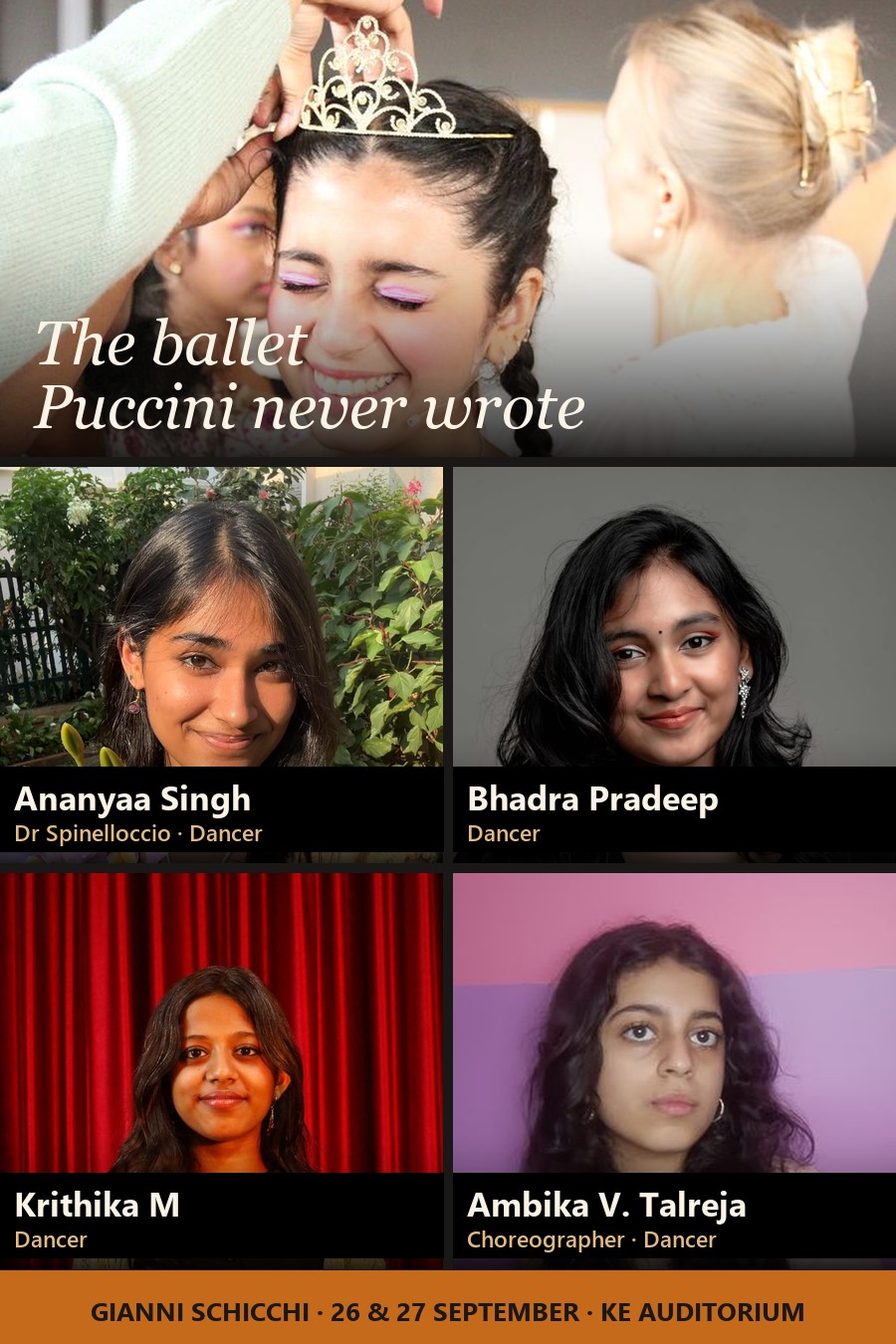
The Ballet Puccini Never Wrote
Why our Gianni Schicchi has dancers Puccini never scored, why we sing it in English, and what a comedy with a dead man in the middle asks of the stage.

Gianni Schicchi at CHRIST University: Six Voices Meet Opera for the First Time
Six of our singers meet opera for the first time in Gianni Schicchi - an old man in a wheelchair, a graduate who came back to sing, and two young performers who have to make an audience believe in love while the plot is being rewritten around them.

Backstage 02: Natalla Marozava, vocal coach
Vocal coach Natalla Marozava on choosing an opera to fit the voices you have, teaching by ear, and why Puccini's comedy is sung in English.
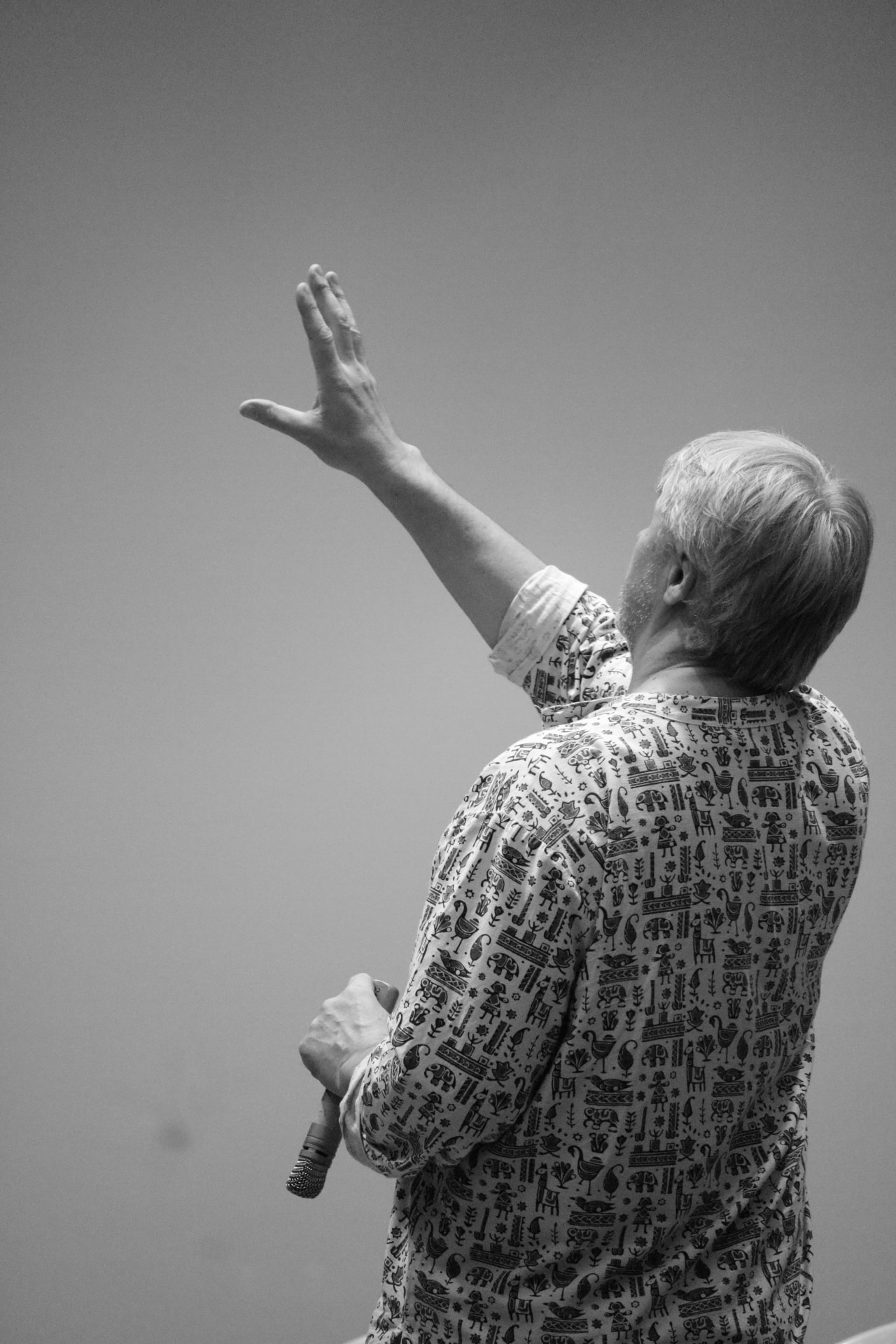
Backstage at Gianni Schicchi
Meet the singers, pianist, dancers and backstage team creating Gianni Schicchi at CHRIST University, Bengaluru, ahead of the performances on 26 and 27 September.