A concert lasts an hour. A performance, perhaps two.
The knowledge behind them usually takes decades.
A musician begins as a child. A singer spends years learning how to breathe before learning how to perform. A conductor studies scores that no audience will ever see. A choreographer searches for a movement long before anyone notices it has been found.
I can put numbers to this, because they are my own. Eight years of music school from the age of seven. Four of college. Five of conservatory. Five more of vocal studies. Twenty-two years of formal training before anyone would call it a career — and it has not stopped since.
Almost none of that is visible from a seat in the auditorium. The performance is the small visible part. The larger story goes untold.
This Journal exists to tell it.
“A concert lasts an hour. The knowledge behind it takes decades.”
Why We Started It
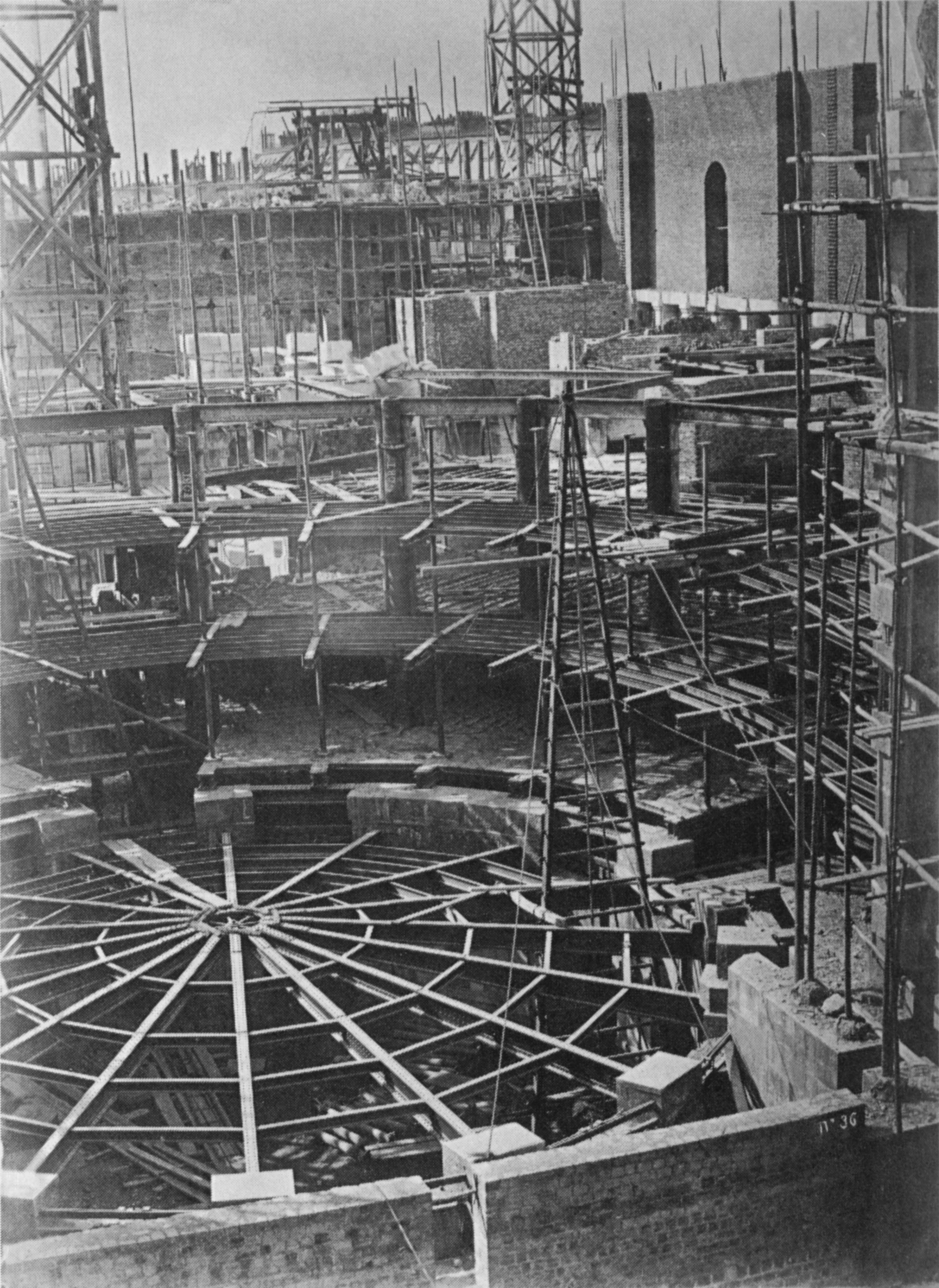
We did not want another university news page. What is far harder to find is the thinking behind the work: how a choir is actually built, what happens in a first rehearsal, why a teacher changed their entire approach after twenty years.
This also means we do not regard culture as something added once the serious work is finished. For us, culture is part of the serious work.
Some of the most valuable knowledge in the arts is never formally published.
It lives in rehearsal rooms, music classrooms, dance studios and theatre workshops. It passes from one person to another, usually in conversation, and it disappears when they do.
We would like to give that knowledge a home.
Who We Hope Will Write With Us
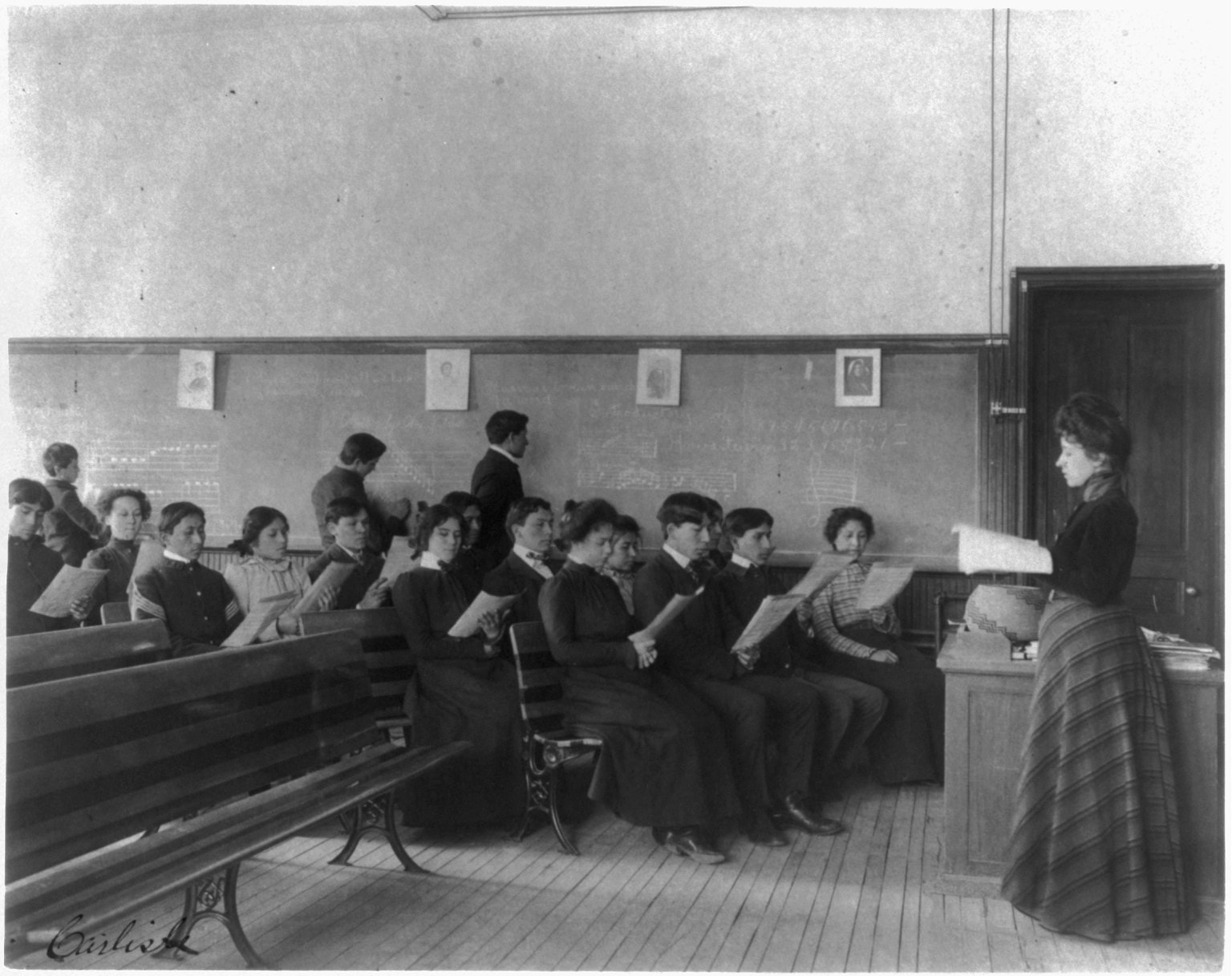
Performers and teachers. Directors, choreographers and makers of performance. Scholars, critics and arts administrators. Students, alumni and independent writers. And anyone who believes the performing arts deserve a serious, curious conversation.
We are not asking where you trained. Some of the finest musicians we know arrived through a conservatory; others through decades of devoted, largely self-directed work. Both have something worth reading.
Some of our future contributors may be internationally known artists. Others may be teachers working quietly with eight-year-olds every afternoon. Insight is welcome here regardless of status — what we ask of every piece is accuracy and clarity.
“We care considerably more about insight than about reputation.”
What You Might Write
Not a list of categories — a few questions we would genuinely like to read answers to.
How do you build a choir from nothing? How does a répétiteur build an opera before anyone has staged a note of it? How do young singers survive their first encounter with stage fright — and what does a teacher do about it? How should music be taught now, when a student has instant access to recordings from across the world? What can Indian and Western traditions usefully learn from one another, beyond the polite version of that question?
We are also glad to publish interviews with musicians, teachers, conductors, composers and directors; biographical essays; accounts of tours, festivals and competitions; research in music, theatre, dance and arts education; reviews, rehearsal diaries and translations of texts that deserve new readers.
If you have spent years learning something that might help someone else, there is probably an article waiting to be written.
We Publish in English
Because we hope these conversations travel. Publication is in English, but that is no limit on where ideas may come from: proposals rooted in any language or artistic tradition are welcome, and translations or introductions to important writing not yet available to readers here are particularly welcome.
Beyond One Campus
The Journal begins at CHRIST (Deemed to be University), but it is not meant to stay inside one campus.
We would like it to become a meeting point for musicians, teachers, researchers, students and arts organisations across Bengaluru, across India, and further out. If you are working somewhere else entirely and this sounds like your kind of conversation, you are exactly who we mean.
Beyond Articles
Some of what we hope comes from this will not be writing at all.
If you have an idea for a concert, a workshop, a masterclass, a festival, a research project, a joint production — or something none of us has thought of yet — we would like to hear it. Cross-institutional projects are actively welcome. So are proposals that seem slightly too ambitious.
We also hope this becomes a place where schools, academies, choirs, theatre companies, dance organisations and independent artists can make their work visible — including events ticketed elsewhere. Coverage is editorially selected rather than an automatic listing: the difference we care about is not between announcements and essays, but between an isolated advertisement and work shown in its cultural context.
Looking Forward
This Journal is one part of something larger. Alongside it we are building an artist platform where performers, conductors, teachers, composers, choreographers and creative organisations can present their work — and which, we hope, will help them find one another.
How to Reach Us
Send a short pitch — three or four lines describing your idea — or a finished draft. We are happy to work with a good idea that is not yet a good article.
Send a proposal or draft
Pitch: 3–4 lines
Standard article: 800–1,600 words
Longer features by arrangement
Whether you would like to write, to collaborate, to share an event, to introduce a project, or simply to begin a conversation — the door is open.
Art survives because every generation learns from the one before it.
This Journal is our invitation to continue that conversation, and we hope you will become part of it.
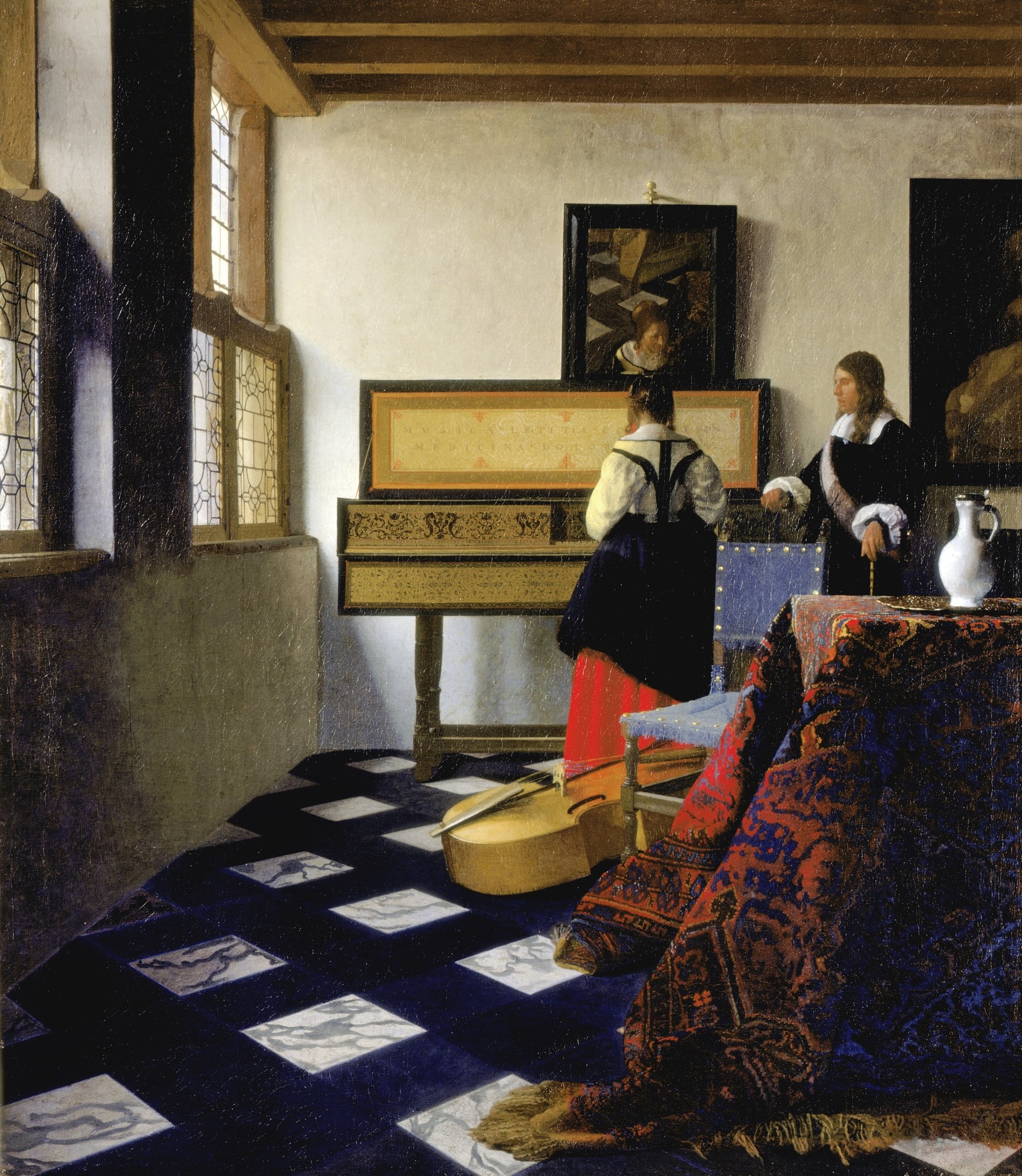
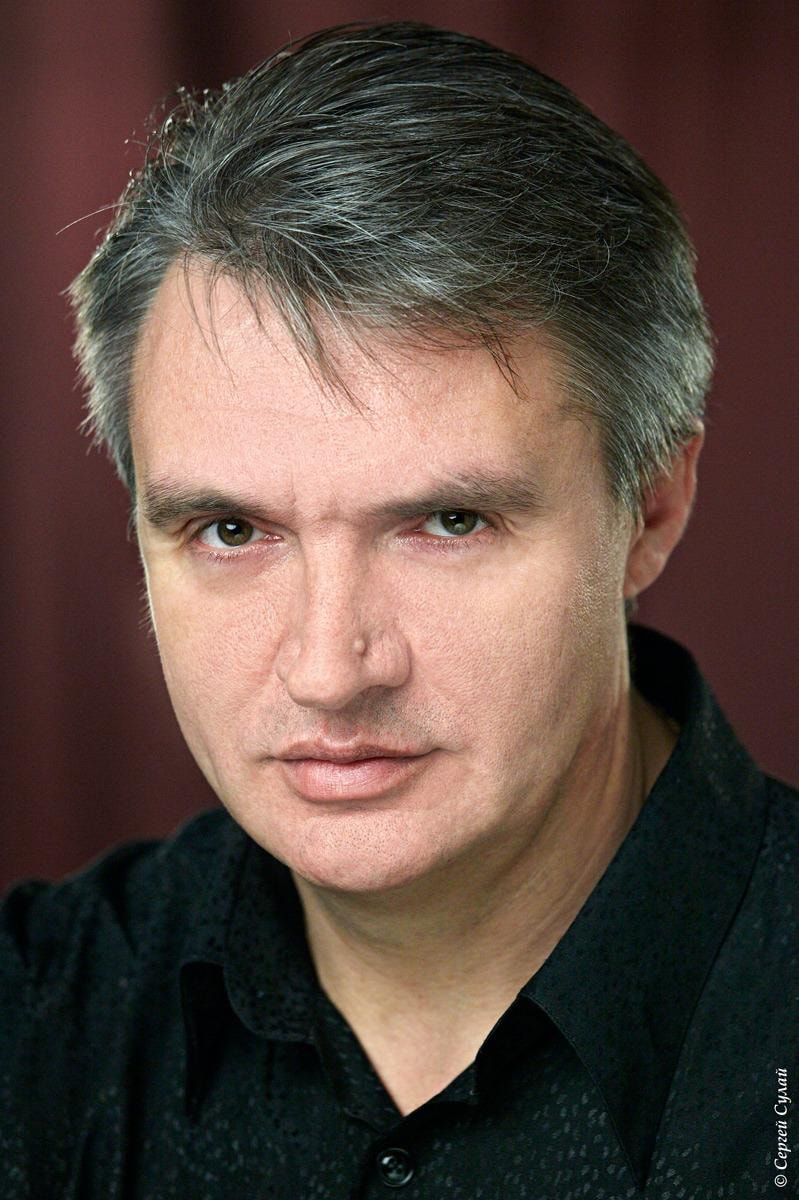
Andrey Morozov is a baritone, stage director, educator and editor of the CHRIST University Arts & Events Journal. → Full profile