
A New Cultural Platform Opens at CHRIST University
A digital home for events, artists, audiences and the stories behind the stage
CHRIST University Arts & Events opens as an official cultural home for performances, artists, audiences and the stories behind the stage.
This platform is not only a ticket counter. It is a living cultural record for the University: events, artists, writing, archives and audiences held together in one official home.
At its simplest, the platform helps a visitor find an event and take the next step. A parent can check what is happening on campus. A student can discover a concert, an open examination, a play, a masterclass or a festival. A guest can read the practical details and reserve a seat without needing five different messages, posters or forwarded links.
But if that were all it did, we would have built a booking page and stopped there. The ambition here is larger. A university performance is never only the two hours seen by an audience. It begins in practice rooms, design conversations, coaching sessions, library searches, score markings, warm-ups, costume choices and the discipline of people returning to the same work again and again until it begins to breathe.
Key Points
- •One official place for events, news, journal writing, artist profiles and archive material.
- •A clearer route from discovery to booking, with event pages linked directly from editorial stories.
- •A home for work that is not always ticketed: open examinations, workshops, conferences, juries and public learning events.
- •A growing cultural archive, so productions do not vanish after the final curtain.
More Than a Ticketing Platform
A performance does not begin when the curtain rises. It begins months earlier, in a first rehearsal, a first mistake, a first attempt to understand why a line of music or a line of dialogue matters. Most of that work is invisible to the audience, and yet it is often the most human part of the whole process. We wanted a place that could hold it.
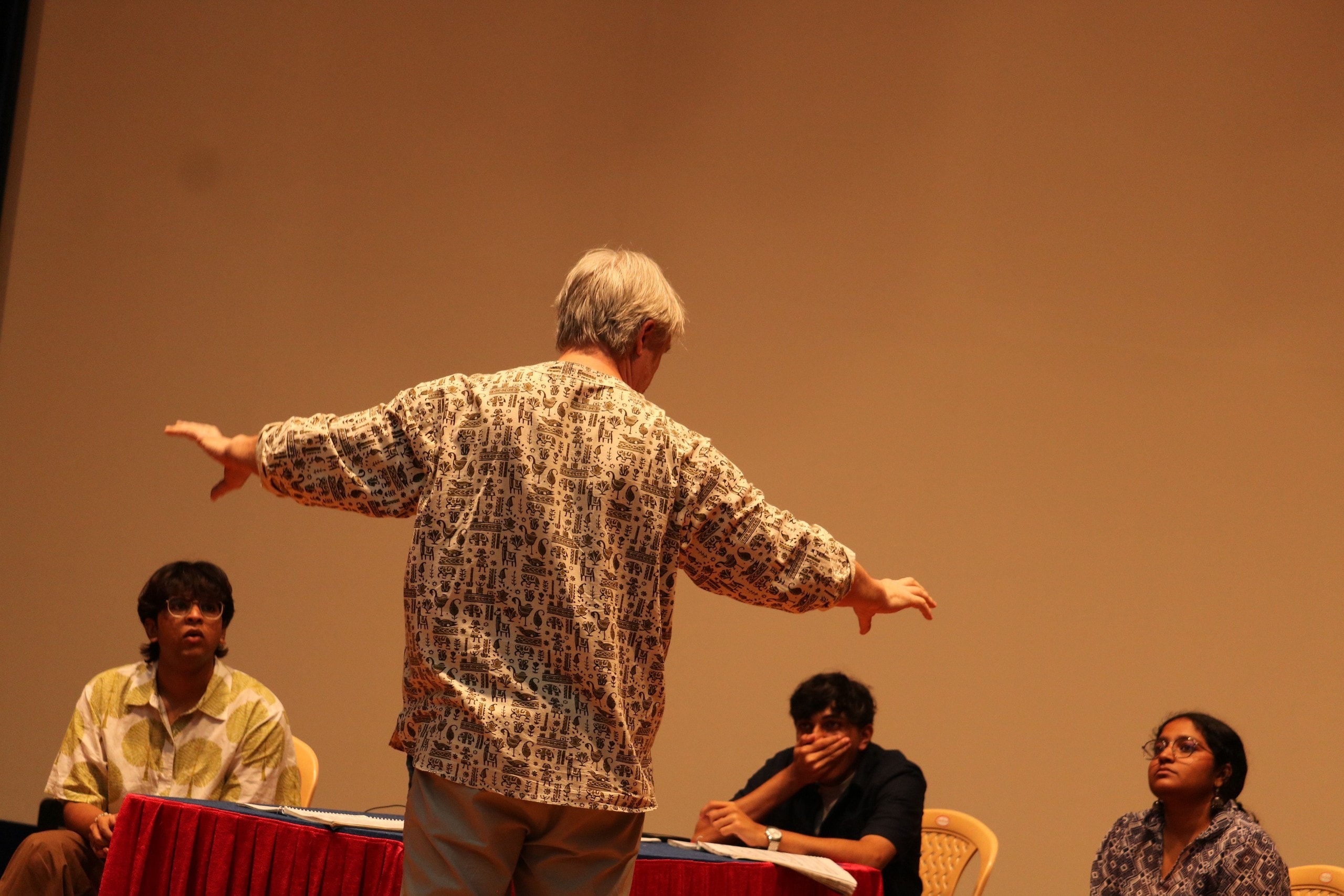
That is why Christ University Arts & Events brings together the public face of an event with the life around it. Alongside tickets and show details, the platform gives space to interviews, production notes, essays, rehearsal diaries, photo stories and artist profiles. The audience sees not only what is on, but what is being made, who is making it, and why it matters now.
A platform for culture should feel like a place, not just a checkout. It should invite people to arrive early, look around, meet the artists and return after the applause.
This is also a practical change. Instead of a production living in scattered posters, messages and temporary links, it can now have a clear page: title, date, venue, access information, cast, creative team, related stories and ticket path. For audiences, that means less confusion. For organisers, it means one place to send people. For the University, it means a cleaner public record of the work being produced.
Who This Platform Is For
The platform is being created for everyone who takes part in university cultural life. It is for students looking for the next performance to attend or join. It is for parents who want to see what their children are building on stage. It is for faculty and departments who need a clearer way to present their events. It is for visiting artists and collaborators who want to understand the cultural life of the campus before they arrive.
Departments and student groups planning an event can reach the team through the contact page. It is also for the performers themselves. A production may last one evening, but an artist's work should not disappear with it. Profiles, photographs, credits, biographies and links can begin to form a public record: modest at first, then richer over time. A student who sings in one opera, acts in one play, writes one essay or contributes to one production begins to leave a trace that can be found, shared and built upon.
The Artist Portal
At the centre of the platform is the Artist Roster, an official directory where audiences can discover performers and creative collaborators by category, city and profile. It begins as a roster, but its direction is broader: an Artist Portal where singers, instrumentalists, actors, conductors, directors, choreographers, designers, writers and other creative professionals can present their work in a way that is readable, shareable and connected to real productions.
For students, this matters because it gives the work a professional frame. A name in a programme becomes a profile. A role becomes a credit. A rehearsal photograph becomes part of a wider story. Over time, the platform can support collaborations, invitations, future productions and a clearer sense of who is working in the University community.
A Journal for the Work Behind the Work
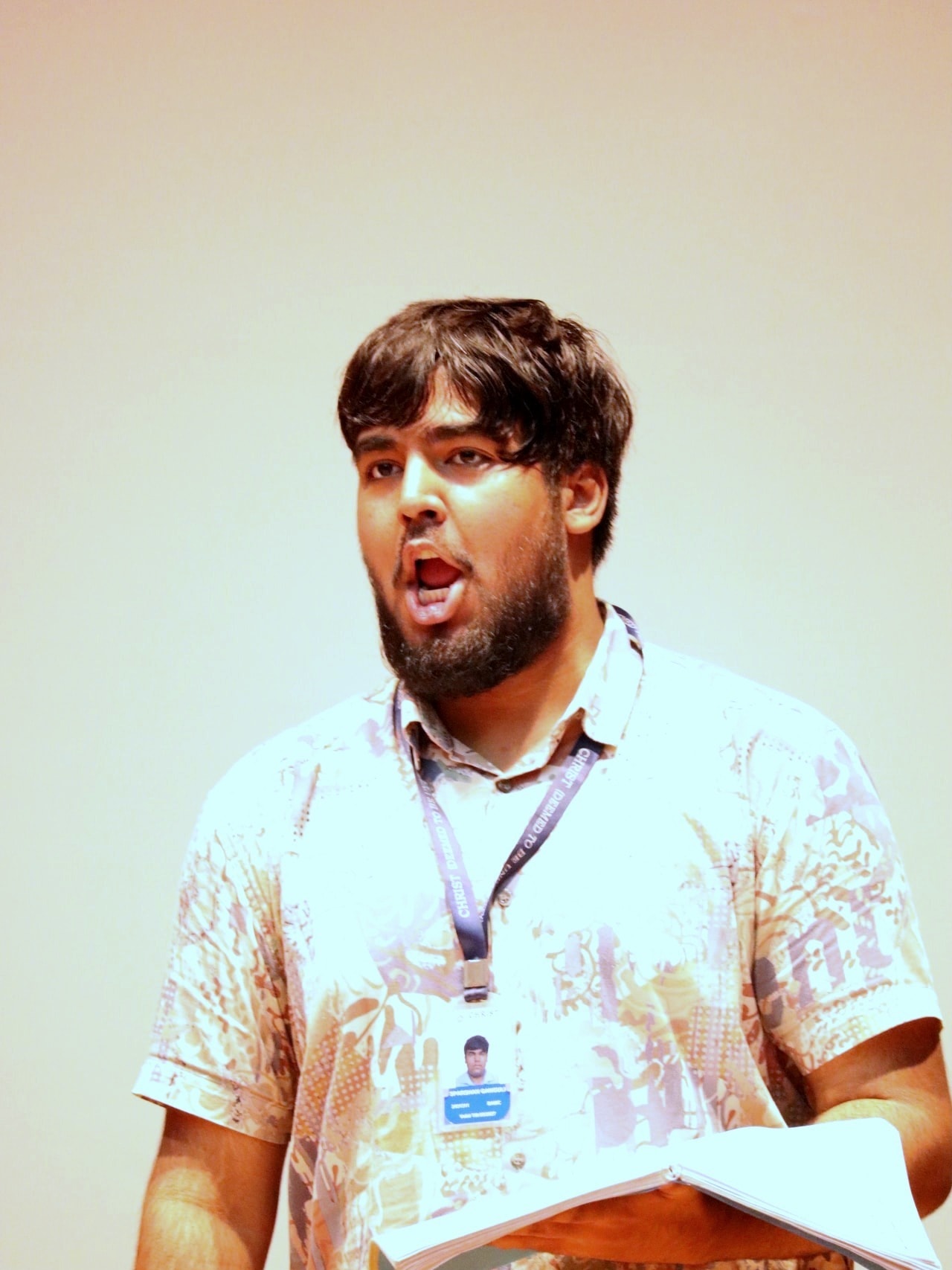
The Journal is where the platform slows down. Not every part of cultural life can be explained in a listing card. Some ideas need a longer shape: why a work was chosen, how a production is being prepared, what a performer is learning, how music and theatre are taught, what a rehearsal reveals, or why a familiar story still asks new questions.
We want the Journal to become a home for essays, interviews, artist reflections, research notes and thoughtful writing about music, theatre and the performing arts. It can carry the educational side of the platform: not publicity alone, but context. A student can read before attending. A performer can reflect after performing. A teacher can connect a production to a larger artistic or pedagogical conversation.
Contributors will be invited through the Write for our Journal call, with editorial details shared there as the platform grows. The goal is simple: if a performance creates thought, argument, memory or learning, there should be a place to write it down.
Not Only Ticketed Events
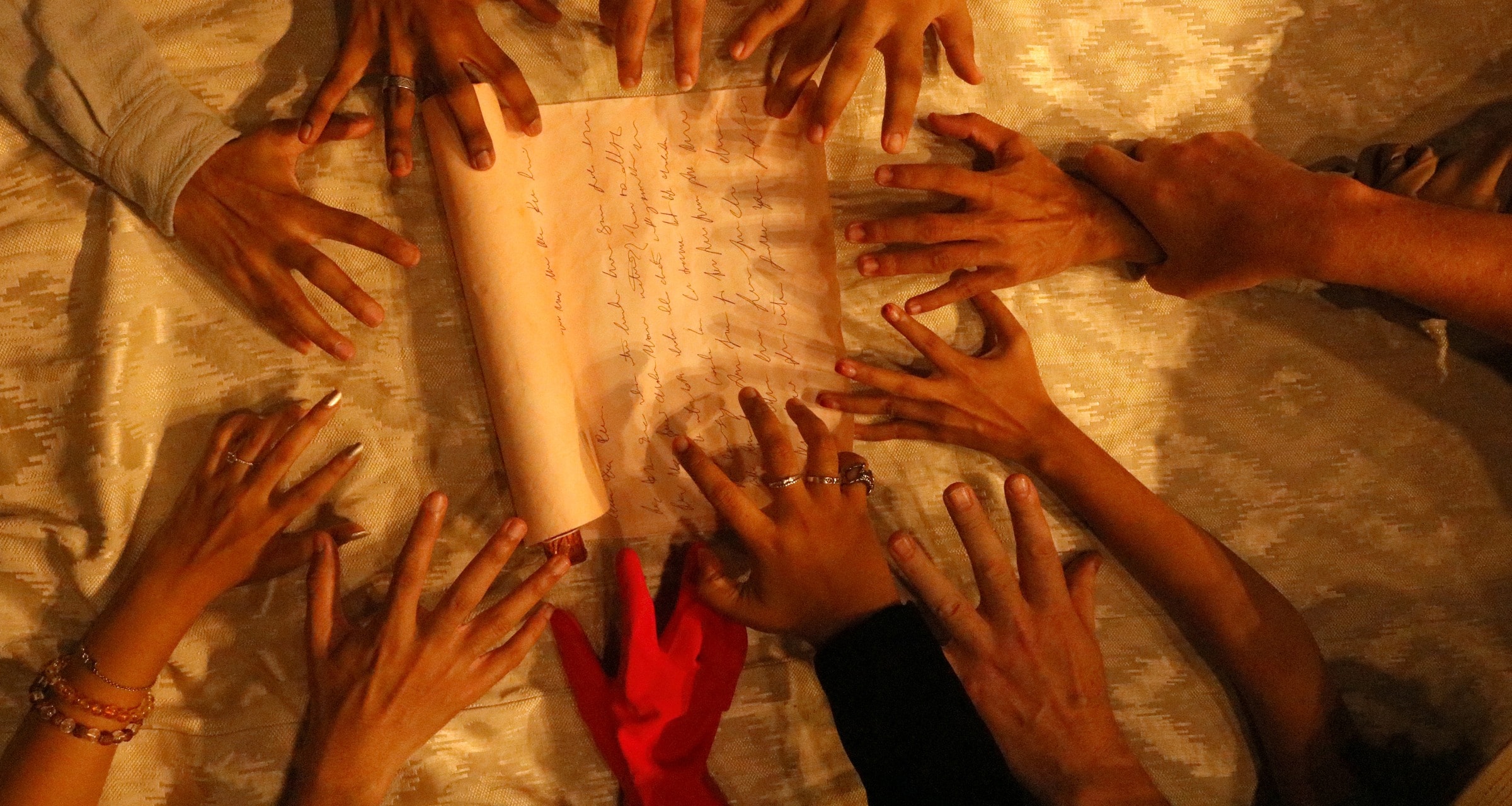
Not every meaningful event needs a ticket. Alongside concerts, plays, operas and festivals, the platform can also welcome the academic and artistic life that happens in public: open examinations, juries, workshops, masterclasses, symposia, lecture-demonstrations and conferences. Some will be free. Some will be reserved. Some may simply need a clear place in the calendar so people know they are welcome.
This is important because culture at a university is not only opening night. It is the daily rhythm of learning and making: the voice exam a classmate wants to attend, the workshop that introduces a new practice, the open jury where students hear one another, the conversation after a lecture, the small event that becomes important because the right people were able to find it.
Opening the Season: Gianni Schicchi
The first event page to carry this new season is Puccini's Gianni Schicchi, a one-act comic opera that moves with the speed of farce and the precision of chamber theatre. It is a story about a family gathered around a will, about appetite dressed up as grief, and about one outsider clever enough to turn the whole room upside down.
For many listeners, the title may be unfamiliar while one aria is instantly recognisable: "O mio babbino caro". The platform lets both kinds of audience arrive together. A first-time opera-goer can begin with the story and the practical details. A student of music can look for cast, programme notes and the world behind the score. A returning audience member can follow the rehearsal journey as more material is added.
The production runs on 26 and 27 September 2026, both performances at 5:00 pm in the St. Kuriakose Elias Auditorium. Tickets are on sale now, from ₹280, and each evening is booked separately. The event page remains the authoritative place for timing, seat availability and venue information.
Important: ticket and performance details should always be checked on the event page. Editorial stories introduce the work; the event page carries the live booking information.
What Will Grow Here
This first article is an opening door, not a finished room. As the season develops, the platform should become richer: more artist profiles, more rehearsal photographs, more journal essays, more archive entries, more practical event pages and more connections between them. A reader who lands on one article should be able to move naturally to a production, then to an artist profile, then to a journal piece, then to the archive of a past event.
That structure matters. It means cultural work is no longer trapped inside a single poster or a single social media post. It can be browsed, searched, linked, remembered and returned to. It can become useful to students, alumni, researchers, future performers and audiences who were not in the room on the night itself.
The Curtain Is Rising
The performances you see today will become tomorrow's archive. Today's students will become tomorrow's artists. Today's rehearsals will become tomorrow's memory. The platform exists to hold those connections together, season by season, in a form that is public, useful and alive.
In the weeks ahead, we will share more from inside the season: notes on the opera and upcoming productions, conversations with artists, glimpses from rehearsal, journal invitations and ticket news when it is ready. You can begin from Events, read the latest on News, go deeper in the Journal, discover people through Artists, and return later to the growing Archive.
Welcome to Christ University Arts & Events. The curtain is rising.
Gianni Schicchi — from the archive
View the production archiveWritten by
More news
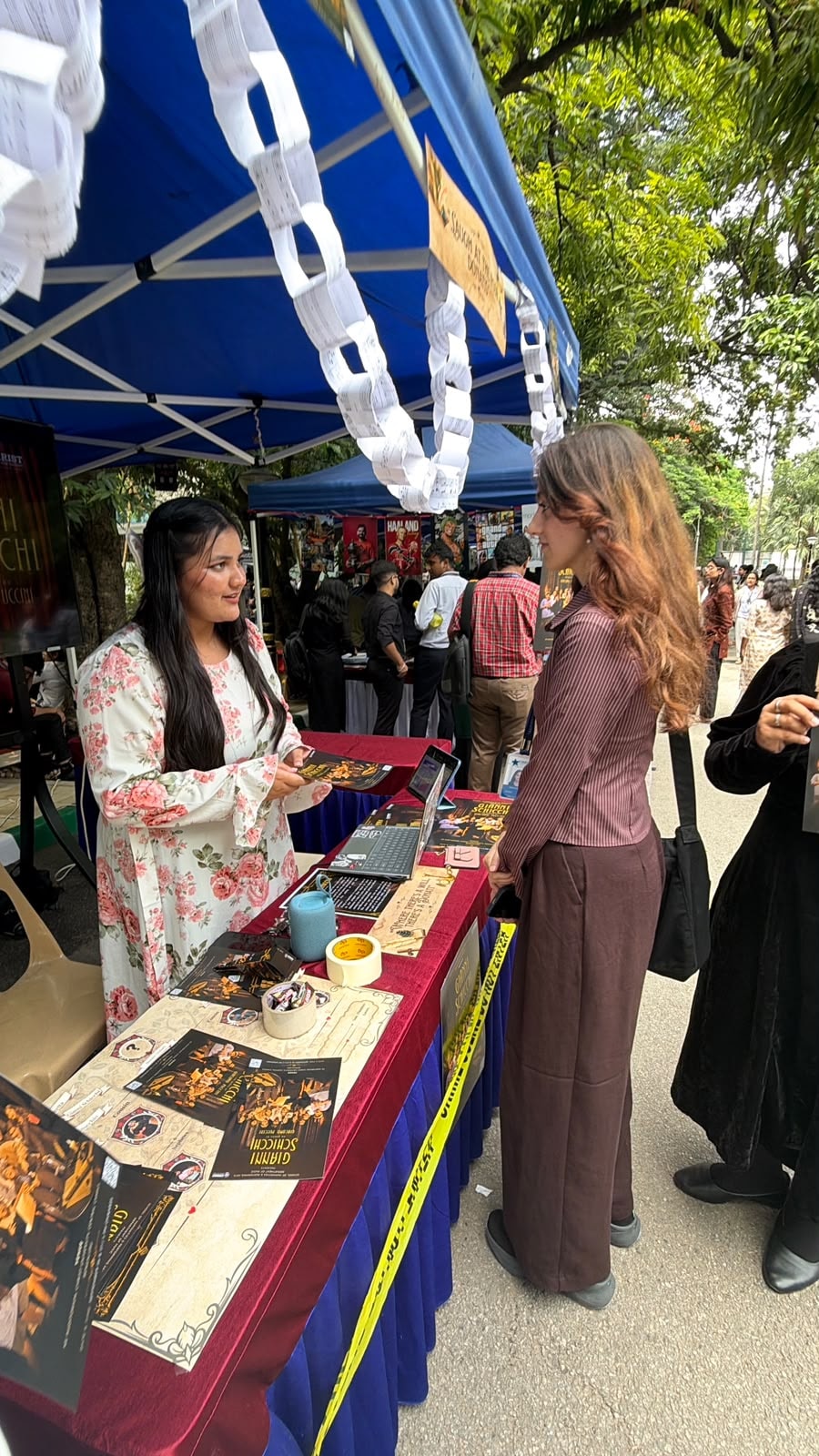
A Little Opera on Campus: Gianni Schicchi Meets Its Audience
Live singing, conversations and a Campus Day ticket offer brought a taste of Puccini's comedy to CHRIST University's Central Campus.
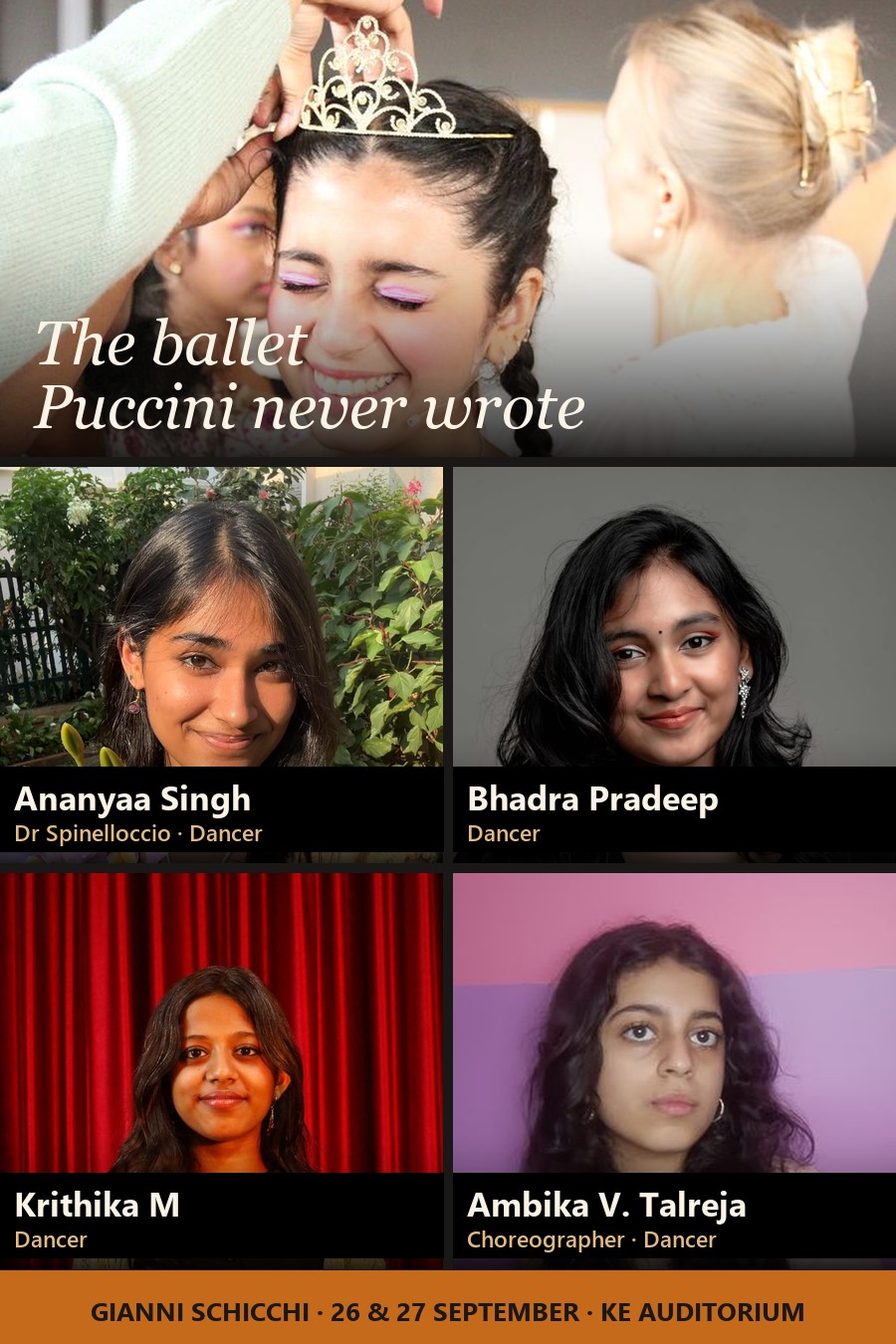
The Ballet Puccini Never Wrote
Why our Gianni Schicchi has dancers Puccini never scored, why we sing it in English, and what a comedy with a dead man in the middle asks of the stage.
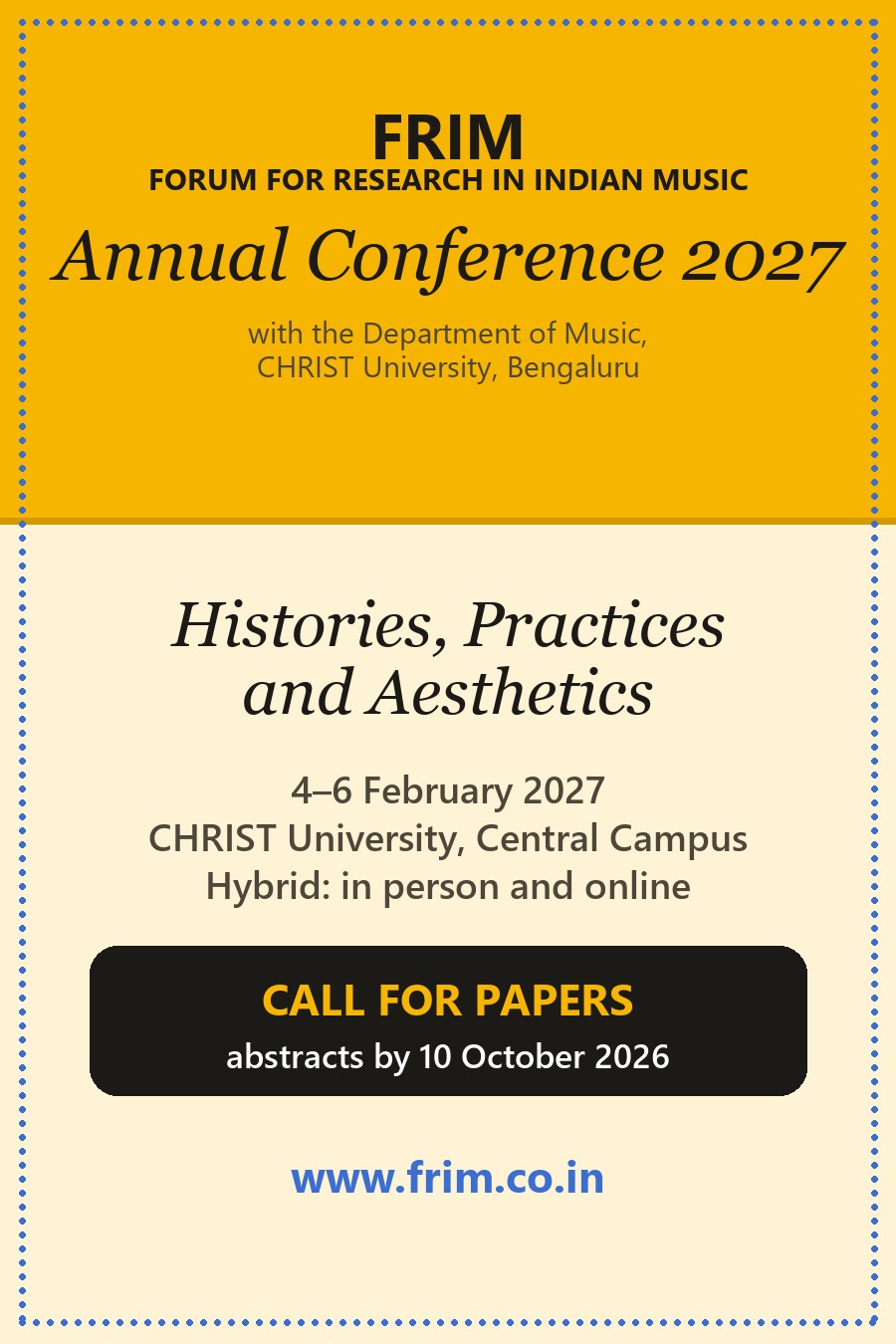
Call for Papers: FRIM Annual Conference 2027 at CHRIST University, Bengaluru
Forum for Research in Indian Music · 4–6 February 2027 · hybrid · abstracts by 10 October 2026
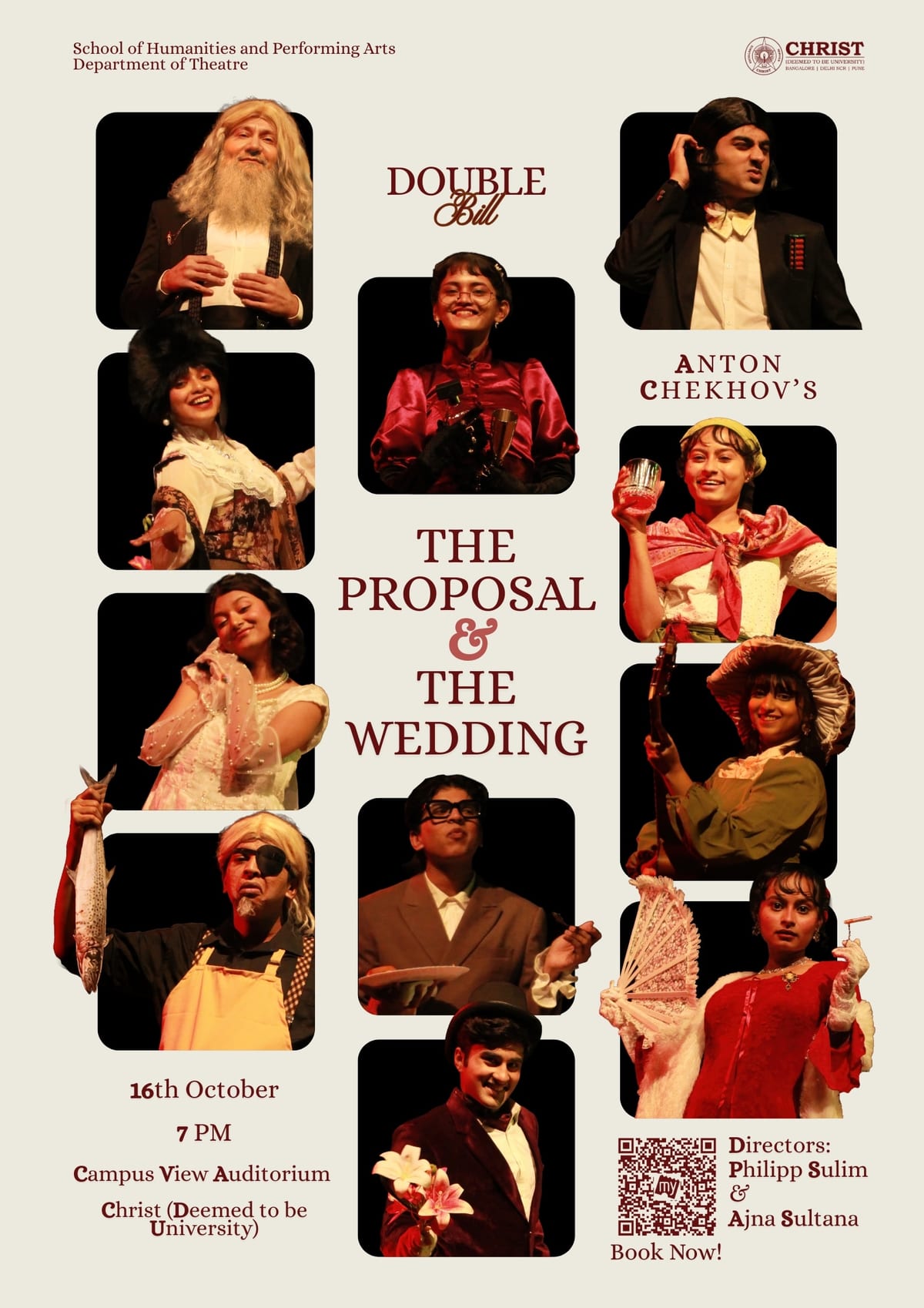
Double Bill: Anton Chekhov’s The Proposal and The Wedding
A double bill of Anton Chekhov’s one-act comedies The Proposal and The Wedding, with live music, ensemble singing and dance, performed by CHRIST University theatre students under two faculty directors. Friday, 16 October 2026, 7:00 PM, Campus View Auditorium, Bengaluru.