
The Significance of Gianni Schicchi in Western Music
A tale of greed, deception, and unforgettable music that continues to delight audiences over a century later.
Full Opera (English Version)
Key Points
- •A landmark comic opera: Gianni Schicchi by Giacomo Puccini is one of the most successful comic operas of the twentieth century, blending humor, social satire, and masterful musical storytelling.
- •Musical and cultural impact: The opera showcases Puccini's skill in character development and orchestration, while its famous aria, O mio babbino caro, has become one of the most recognizable pieces in classical music.
- •Enduring significance: By combining the traditions of comic opera with modern musical techniques, Gianni Schicchi remains a widely performed and accessible work that continues to introduce new audiences to opera.
The Significance of Gianni Schicchi in Western Music
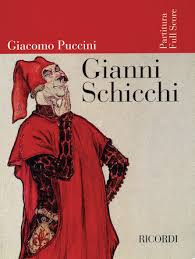
Gianni Schicchi is a one-act comic opera composed by Giacomo Puccini and premiered in 1918. It forms the final part of Il Trittico ("The Triptych"), a collection of three one-act operas that showcase different emotional worlds: tragedy, spirituality, and comedy. While Puccini is best known for dramatic works such as La Bohème and Madama Butterfly, Gianni Schicchi occupies a unique place in Western music history as one of the most successful comic operas of the twentieth century.
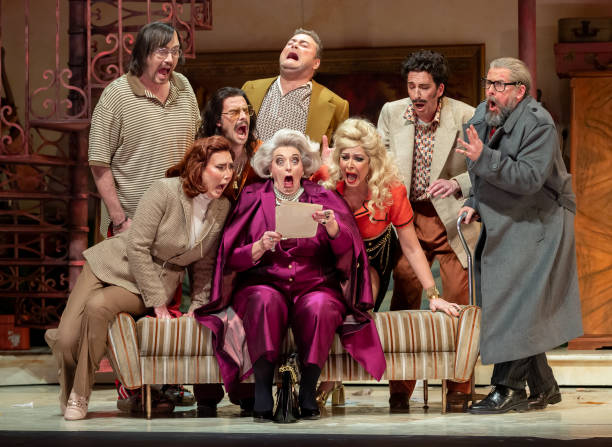
The opera is based on a brief episode from The Divine Comedy by Dante Alighieri. In the story, the cunning peasant Gianni Schicchi helps a wealthy Florentine family's relatives alter a deceased man's will, only to outsmart them and secure the best inheritance for himself. The plot combines deception, satire, and social commentary, making it both entertaining and thought-provoking.
One of the opera's greatest contributions to Western music is its demonstration of Puccini's mastery of musical characterization. Each character is given distinct musical traits that reflect their personalities, allowing the audience to understand motives and relationships through music alone. The rapid pacing of the score, witty orchestration, and seamless integration of dialogue and melody exemplify the development of verismo opera—a style that sought to portray realistic characters and everyday situations rather than mythological or aristocratic subjects.
Gianni Schicchi is also significant for its accessibility. Unlike many operas that rely on complex plots or lengthy performances, its concise structure and humorous narrative make it approachable for new audiences. The opera demonstrates that serious musical craftsmanship can coexist with comedy, helping broaden opera's appeal beyond elite cultural circles.
The work is perhaps most famous for the aria "O mio babbino caro" ("Oh My Dear Papa"), sung by the character Lauretta. This aria has become one of the most recognized pieces in the classical repertoire and is frequently performed in concerts, recordings, films, and talent competitions. Its enduring popularity has introduced countless listeners to opera and serves as a gateway to the broader world of Western classical music.
From a historical perspective, Gianni Schicchi represents a successful continuation of the comic opera tradition established by composers such as Wolfgang Amadeus Mozart and Gioachino Rossini. At the same time, Puccini infused the genre with modern orchestral colors and emotional depth characteristic of early twentieth-century music. This combination of tradition and innovation helped ensure the opera's lasting place in the repertoire.
Today, Gianni Schicchi remains one of the most frequently performed comic operas worldwide. Its blend of humor, memorable melodies, dramatic efficiency, and social satire continues to resonate with audiences more than a century after its premiere. As a result, the opera stands as an important milestone in Western music, illustrating both the enduring appeal of comic storytelling and Puccini's extraordinary ability to unite theatrical drama with musical expression.
Written by